The impact of ELDs on truck driving has fundamentally transformed the industry since the federal mandate took effect in December 2017. From OTR veterans to regional haulers, drivers now navigate new rules, tighter schedules, and fewer options for flexibility. These digital hours-of-service (HOS) trackers have reshaped daily workflow, earning power, and the rhythm of life on the road. Mastering their use is no longer optional—it’s essential for success in today’s logistics landscape.
Understanding the ELD Mandate and Its Road-Level Effects
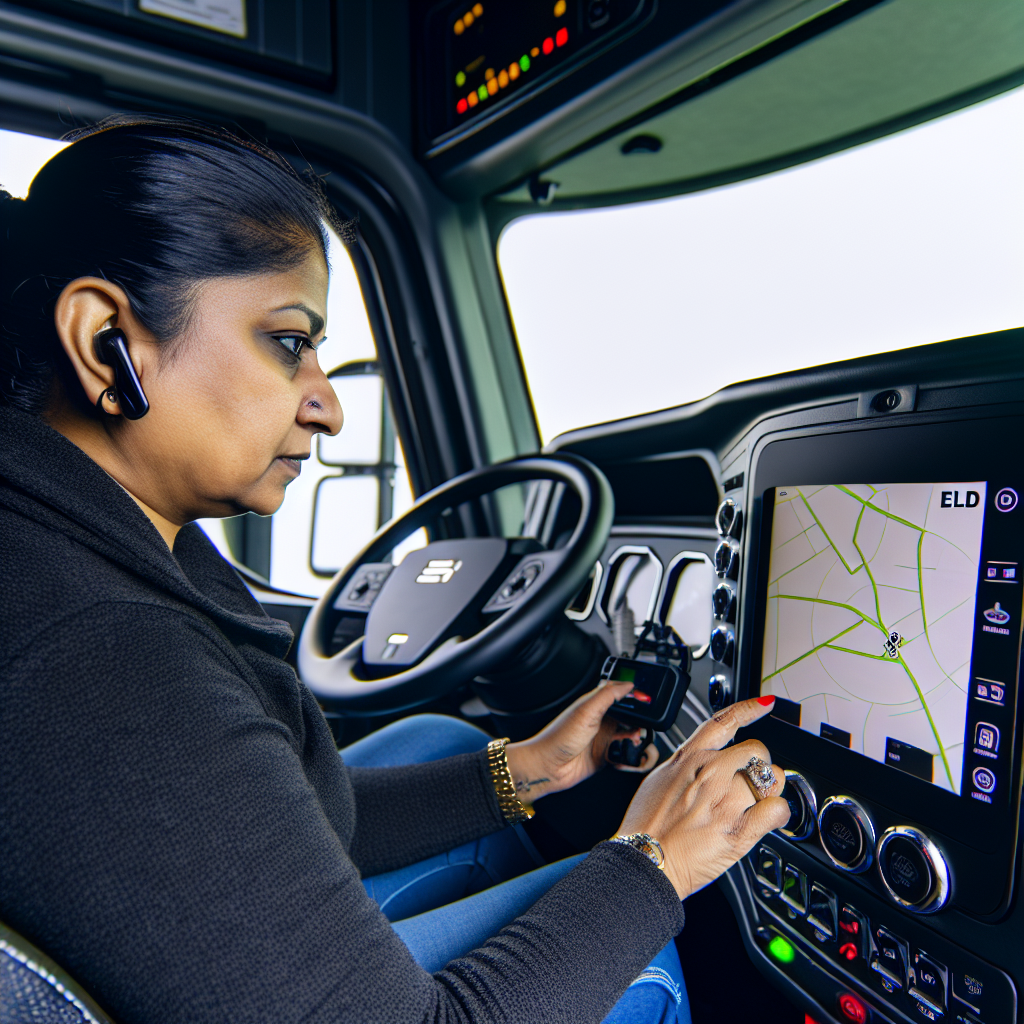
At its core, the impact of ELDs on truck driving stems from the technology’s role in enforcing FMCSA compliance. Electronic Logging Devices automatically record driving hours, engine time, vehicle movement, and location. Replacing traditional paper logs, ELDs aim to prevent driver fatigue and enhance safety by eliminating logbook manipulation.
But the transition from paper to digital brought trade-offs. Whether you’re stuck behind an accident on I-70 or inching through warehouse congestion near Joliet, your 14-hour on-duty clock doesn’t pause. ELDs enforce strict limits, reducing the driver’s ability to recover time lost to unpredictable delays. To succeed, drivers must understand their ELD system’s capabilities, from logging yard moves to splitting sleeper berth time with precision.
Time Management: Where Efficiency Meets Rigidity
The most visible impact of ELDs on truck driving is how they restrict the once-flexible art of time management. Under paper logs, drivers might adjust their schedules to meet freight deadlines or backload opportunities. ELDs, however, leave no room for “creative logging.” If a delivery near Ontario, California, involves a five-hour dock wait, that time drains precious hours that can’t be recovered later.
Strategic planning now defines success. Smart drivers learn to avoid rush-hour traffic on I-285 in Atlanta or bottlenecks near weigh stations on I-80. Tools like Trucker Path, weather apps, and dock review platforms are critical allies. Drivers can use satellite views on mapping apps to preview tight shipper lots before arrival, saving time and stress. Efficient scheduling even includes choosing when and where to shut down before ELD clocks expire, especially in tight parking zones like West Memphis or Harrisburg.
Earning Potential and Load Planning Under the Clock
Another key impact of ELDs on truck driving involves reduced earning potential due to lost miles and limited load flexibility. For per-mile drivers, the inability to stretch drive time to squeeze in an extra drop could eliminate profitable reloads. Owner-operators feel the pinch when dock delays push deliveries past appointment windows, triggering layovers or penalties that tighten margins.
To adapt, many drivers structure their days to maximize legal drive time. Some hit the road before sunrise to beat urban gridlock. Others pair fuel stops with 30-minute breaks or pre-trip inspections to save minutes. Advanced ELD users take full advantage of split sleeper rules—properly executing an 8/2 or 7/3 split can unlock hours otherwise lost. Mileage and money now hinge on knowing how to use every feature the ELD offers, within the rules.
Compliance, Safety, and Real-Time Enforcement
While designed for safety, the impact of ELDs on truck driving also includes heightened regulatory oversight. ELD systems streamline roadside inspections, letting DOT officers quickly analyze logs. Compliant drivers often clear checkpoints faster—especially on busy corridors like I-35 in Texas or I-90 in Illinois.
That said, errors in ELD usage can trigger violations. Forgetting to log in, misclassifying status changes, or leaving driving time unassigned can cost CSA points and lead to citations. Rookie drivers on regional runs between major hubs like Chicago and Indy often face steep learning curves. To avoid problems, seasoned drivers audit their ELD data regularly, annotate delay events clearly, and maintain open communication with safety departments. Treating your ELD like a digital co-driver improves both compliance and confidence.
Truck Stop Planning, Break Strategy, and Downtime Discipline
The impact of ELDs on truck driving has also reshaped how drivers manage downtime. Many now plan breaks not just around the clock, but also factoring in truck parking availability, access to food, laundry, and maintenance facilities. Whether you’re laid over at Jubitz in Oregon or refueling in North Little Rock, the strategic use of breaks can reduce stress and support better health and productivity.
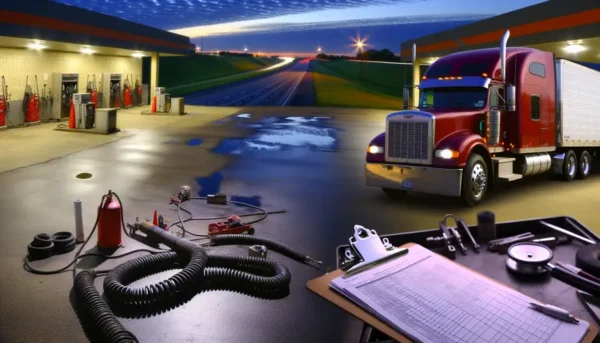
Facilities have evolved as well. Major truck stop chains now offer mobile check-ins, reservation-based parking, and healthier food options. Drivers with pets seek locations with walking areas where they can complete 10-hour resets comfortably. Productive layovers often include performing preventive maintenance—like checking belts or coolant hoses—before problems escalate. With breakdowns devouring valuable ELD hours, prevention isn’t a luxury; it’s survival.
Adapting to the Future: Tools, Mindset, and Flexibility
After several years of adjustment, the impact of ELDs on truck driving is no longer new—it’s reality. But adaptation continues to define the most successful drivers and fleets. Many carriers now base dispatching on drivers’ HOS data, limiting wasted movement and aligning schedules better. Brokers are learning the value of realistic appointment windows, and more shipping facilities are adjusting dock times to reduce idle waits.
Drivers who embrace ELDs—learning system nuances, refining pre-trip planning, and staying compliant—are thriving. The key difference isn’t just the device but how the driver uses it to optimize each trip. Whether rolling through I-40 in Oklahoma or backtracking from docks in Pennsylvania, time is both the challenge and the opportunity. Master your ELD, plan your hours like currency, and you’ll find there’s still profit and pride to be earned mile after mile.