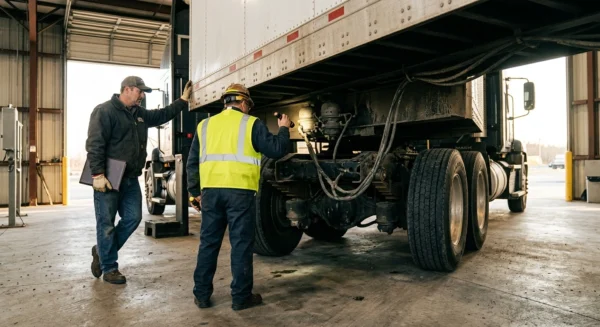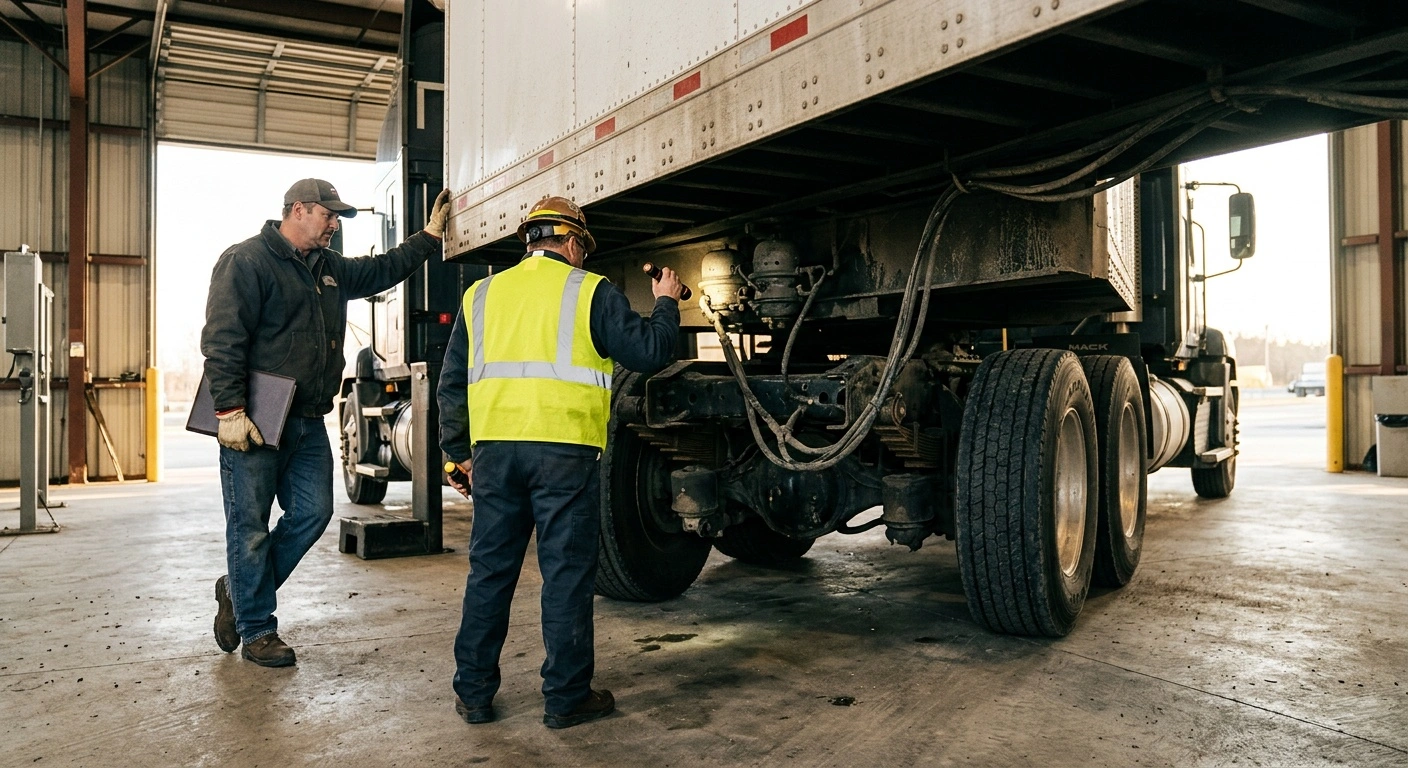
A Level 1 DOT inspection is the most comprehensive roadside check for commercial drivers and vehicles. A certified inspector reviews the driver’s records, credentials, and physical condition. The inspector also examines key vehicle components for safety violations.
What Does a Level 1 DOT Inspection Cover?
The Commercial Vehicle Safety Alliance calls this process the North American Standard Inspection. Inspectors follow a 37-step procedure to assess the driver and vehicle. They may conduct the inspection at a weigh station, roadside location, or carrier facility.
Driver Requirements
The inspector begins by confirming the driver’s identity and operating authority. Drivers should keep licenses, permits, medical documents, and shipment records current and accessible.
The driver review may include:
- Commercial driver’s license and endorsements
- Medical examiner’s certificate, when required
- Record of duty status and supporting documents
- Hours-of-service compliance
- Seat belt use
- Alcohol or controlled-substance possession
- Signs of illness, fatigue, or impairment
- Shipping papers and hazardous materials documents, when applicable
Inspectors can compare electronic logging device data with fuel receipts, toll records, and bills of lading. Accurate logs and organized records help the review move faster.
Vehicle Components
The vehicle examination covers systems that directly affect safe operation. Before looking underneath the truck, the inspector may ask the driver to operate lights, brakes, and other controls.
Common inspection points include:
- Brake systems and adjustment
- Steering components
- Suspension parts
- Tires, wheels, rims, and hubs
- Headlamps, brake lamps, and turn signals
- Windshield wipers and glazing
- Fuel and exhaust systems
- Frames, van bodies, and open-top trailer bodies
- Fifth wheels and other coupling devices
- Driveshafts and driveline components
- Emergency exits on passenger vehicles
- Cargo securement
Inspectors may also examine hazardous materials markings, labels, placards, and package securement. Requirements depend on the cargo and vehicle type.
How Long Does the Inspection Take?
A complete inspection often takes 30 to 60 minutes. Vehicle condition, cargo type, document access, and traffic volume can affect the timing. Mechanical defects or record discrepancies may extend the process.
The driver should follow instructions and remain available throughout the inspection. Clear answers and orderly paperwork help prevent avoidable delays.
How to Prepare Your Driver and Vehicle
Preparation for a Level 1 DOT inspection starts before the truck enters service. Drivers should complete a careful pre-trip inspection and report defects immediately. Carriers should repair safety problems before dispatch.
Check the Vehicle Before Every Trip
Walk around the vehicle and look for leaks, loose parts, damaged tires, and missing fasteners. Test all required lights and inspect visible brake components. Confirm that the load cannot shift during normal driving or sudden stops.
Pay close attention to items that often lead to violations:
- Inoperative lights
- Air leaks or damaged brake hoses
- Low tire pressure and exposed tire cord
- Loose or missing lug nuts
- Damaged coupling equipment
- Oil or grease leaking near wheel ends
- Worn cargo straps, chains, or binders
- Unsecured tools and spare equipment
Organize Required Documents
Keep paper records in a labeled folder or another easy-to-reach location. Drivers who use electronic records should know how to display and transfer them. They should also carry blank logs for use during an electronic logging device malfunction.
Review license restrictions, endorsements, permits, and medical requirements before dispatch. A missing document can cause delays even when the vehicle passes its mechanical review.
Protect Available Driving Time
Drivers should review their hours before starting a trip. They must record duty changes accurately and add required annotations. Dispatchers should avoid schedules that pressure drivers to violate rest rules.
Log edits need a clear reason and proper approval. Inspectors may review recent duty records and supporting documents to identify inconsistencies.
What Happens After the Inspection?
The inspector records the results in an inspection report. Drivers and carriers should review every listed violation, including items that do not require immediate repair.
Serious defects may trigger an out-of-service order under CVSA criteria. The driver cannot operate the vehicle until qualified personnel correct the specified conditions. Driver violations can also prevent continued operation.
A vehicle that passes a qualifying inspection may receive a CVSA decal. The decal can reduce repeat inspections for a limited period, although an officer may inspect the vehicle again when warranted.
How Violations Affect a Carrier
Inspection violations can affect a carrier’s safety data and enforcement risk. Their impact depends on the violation type, severity, and inspection history.
Carriers should document repairs and maintain inspection records as required. They should also look for patterns across vehicles and drivers. Repeated brake, tire, lighting, or log violations often point to weak maintenance or training practices.
Build Inspection Readiness Into Daily Work
A Level 1 DOT inspection should confirm the work a carrier already performs each day. Consistent maintenance, accurate logs, and disciplined pre-trip checks reduce roadside problems. They also help drivers return to service without unnecessary delays.
Use inspection reports to guide repairs and training. Fix the immediate defect, then identify why it occurred. That approach protects drivers, equipment, cargo, and everyone sharing the road.