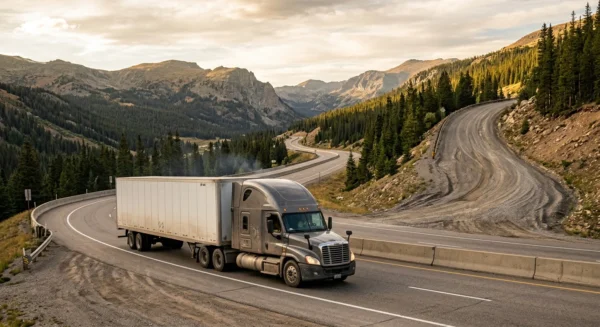
Trucking companies to avoid are an unfortunate reality that every new and veteran driver should be aware of before accepting a job. When you first step into a cab and hit the highway, it might seem like all carriers operate the same—but seasoned drivers know better. From broken promises to unsafe equipment, thousands of miles of experience reveal which fleets cause more headaches than paychecks. Whether you’re fresh off earning your CDL or an owner-operator hunting reliable contracts, learning which companies to avoid can save you money, frustration, and lost time.
Key Warning Signs of Trucking Companies to Avoid
Before calling out names, it’s essential to recognize the red flags that define bad carriers. A major warning sign is high driver turnover. If a fleet has drivers constantly quitting or being terminated, that’s a strong indicator something’s wrong. These trucking companies often pitch competitive pay and reliable miles but offer little more than rundown equipment and hours of unpaid waiting at truck stops like the Flying J on I-40 in Albuquerque.
Another red flag is poor communication and unrealistic dispatch expectations. Dispatchers disconnected from the realities of OTR driving may push deadlines that disregard Hours of Service rules and weather patterns. If they don’t understand what it’s like crossing Donner Pass mid-winter or crawling along I-90 during a storm, you’re the one left at risk.
Reviewing a company’s FMCSA safety record is non-negotiable. Focus on BASIC scores, violations, and inspection histories. If their trucks are routinely flagged at scale houses in Pennsylvania or Georgia, that’s a red-light. Similarly, avoid companies pushing lease-purchase programs that saddle new drivers with high payments, outdated equipment, and little chance at financial freedom.
Top Complaints from Long-Haul Drivers
Across truck stops nationwide—from a TA in Tennessee to a Love’s in Oklahoma—veteran drivers consistently highlight a few common frustrations. Poorly maintained equipment ranks high. Breaking down on US-75 because a carrier deferred maintenance can cost you valuable hours, missed loads, and your paycheck. Many drivers report fleets running trucks with 750,000+ miles, original transmissions, and trailers with unsafe ABS systems.
Inconsistent home time is another major complaint. Companies may advertise “weekends off,” but frequent route changes often leave drivers stranded in places like Salt Lake City, waiting on freight that never comes. The best trucking companies honor reset times and respect life outside the truck. The rest? They won’t even remember your name.
Ambiguous pay structures also raise concerns. A flashy cents-per-mile (CPM) number means nothing if it comes with unpaid deadhead miles or limited accessorials. When routes send you into Atlanta at rush hour every Friday with no planning support, those CPMs burn up in gridlock and tolls.
Traits of Trucking Companies to Avoid
Based on driver feedback across forums, CB airwaves, and truck stop lounges, here are common traits marking unreliable trucking companies:
- High-Risk Lease-Purchase Programs: These usually involve high-mileage trucks and weekly payments that deplete maintenance funds. Many drivers exit the program with less money than they started.
- Unpaid Detention Time: If you’re stuck at a shipper in Laredo, TX or a dock in Allentown, PA without compensation for your wait, it’s time to move on.
- Ghost Loads: You may be promised a load, only to spend 36 hours at a truck stop like the one on I-20 in Louisiana calling dispatch with no replies.
- Logbook Pressure: Companies that encourage HOS violations or editing electronic logs to meet schedules are risking your license and your livelihood.
- Non-Responsive Dispatch Teams: Fleets without 24/7 dispatch leave you idle at truck stops when no next-load details arrive before weekend shutdowns.
Frequently Mentioned Trucking Companies to Avoid
Drivers nationwide—from Reddit threads to equipment yards—frequently warn about specific companies. While every driver’s situation is unique, these names often come up in discussions around companies to avoid:
- CR England: High turnover, limited home time, and troubling lease-purchase options. Their training churns out new drivers rapidly, but few stick around long-term.
- Western Express: Labeled by many as a last-resort carrier, this fleet is heavily criticized for low pay, poor communication, and mechanical unreliability.
- Swift Transportation: Despite being one of the largest fleets, its training-focused approach and inconsistent routing lead to frequent driver frustration.
- Prime Inc.: Their aggressive lease programs look attractive on ads, but come with unpredictable freight volumes and stiff expenses.
- Stevens Transport: Often persuades new drivers into lease deals and leaves many without loads or dependable support afterward.
Although some drivers may find success in these fleets based on specific goals or needs, the prevailing wisdom in driver communities is simple: proceed with caution.
How to Research Before Signing On
Smart drivers do their homework before jumping into the driver’s seat. Don’t rely only on recruiting pitches. Instead, take these steps:
- Talk to Active and Former Employees: Seek out firsthand info from drivers online or at major terminals. Ask about freight volume, maintenance support, and pay consistency.
- Use FMCSA Reports: Look up violations, crash reports, and CSA scores. Ongoing problems at roadside inspections could mean more time in the shop than on the road.
- Request Real Pay Evidence: Ask to see recent pay stubs during onboarding. Honest companies should have no problem backing up rate claims.
- Leverage Load Boards: Listen to what dispatchers and brokers say—carriers that regularly cause schedule disruption are either understaffed or overloaded and unreliable.
Better Alternatives to Consider
While it’s important to avoid the wrong carriers, it’s even more valuable to align with companies known for treating drivers right. Drivers frequently praise the following fleets:
- Midwest Carriers: A smaller Wisconsin fleet offering modern trucks, fair pay, and dispatchers who understand the realities of OTR work.
- Walmart Private Fleet: Known for high pay, excellent equipment, and reliable home time. The bar to entry is high, but worth it.
- Marten Transport: Strong reputation for steady freight, consistent pay, and solid detention policies.
- Old Dominion & Estes: For those interested in LTL, both companies maintain high safety standards and excellent compensation.
Don’t overlook regional carriers either. Many exceptional operations around Texas, the Midwest, and the Southeast fly under the radar but offer dedicated lanes and strong driver-manager relationships. Talking to mechanics, fuel clerks, or terminal staff can lead to these hidden gems.
Find the Right Fleet—And Know Which to Avoid
Choosing the right trucking company is one of the most important decisions of your driving career. Aligning with a fleet that honors your hours, keeps your rig rolling, and respects your downtime can make all the difference. Though there are countless trucking companies to avoid, there are also plenty that support their drivers and offer a long-term career path.
Learn from the veterans who’ve been climbing grades in the Rockies and creeping through I-285 in Atlanta for years. Skip the companies known for empty promises and broken equipment. Once you find the right fit, every mile becomes less of a grind—and more of a journey worth taking.