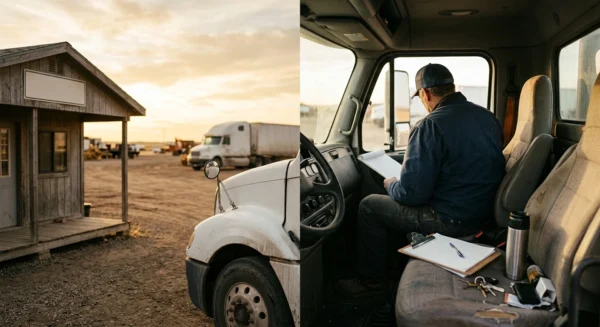
The life of a truck driver’s wife is a demanding and often underappreciated journey. While the spotlight frequently shines on the drivers covering thousands of miles across highways, it’s equally important to recognize the strength and dedication of the spouses managing the home front. From balancing parenting to managing unexpected repairs and finances, these wives keep the foundation steady, enabling their partners to stay focused on the road. This article explores the real-life experiences, practical strategies, and emotional resilience that define the life of a truck driver’s wife.
The Unique Challenges in the Life of a Truck Driver’s Wife
The most immediate challenge in the life of a truck driver’s wife is extended solitude. Long-haul drivers are often gone for weeks, covering lanes from Memphis, TN, to the Port of Oakland, CA. Communication gets interrupted by weigh station holds, 10-hour resets, and unpredictable weather on I-80. A promised nightly call can vanish into silence, leaving spouses waiting and worried.
Raising children, managing home responsibilities, and handling emergencies solo increases the load. From a broken water heater to a flat car battery, spouses must step in without hesitation. These daily issues stack up mentally and physically, turning into long-term pressures.
Emotionally, the distance can feel wider during high freight seasons—peak produce runs in California or holiday hauls from Chicago. Missed birthdays, forgotten recitals, or a weak video call from a truck stop lot in Joplin, MO, leave scars that love alone can’t always soothe.
Safety concerns layer on top. Knowing your spouse drives 80,000 pounds across busy corridors—like a snowy I-81 in Pennsylvania or the foggy bends of Fancy Gap, Virginia—adds daily anxiety. One careless four-wheeler on I-85 in Georgia can change everything in a flash.
Coping Strategies That Strengthen the Bond
Adaptable coping mechanisms are critical in the life of a truck driver’s wife. These strategies keep homes running and partners connected despite physical distance:
- Shared Calendars: Using platforms like Google Calendar or Cozi bridges the gap between road schedules and family timelines. Being able to plan around reset breaks in Phoenix or know when Dad will call lifts emotional burdens.
- Routine Check-Ins: Quick texts or voice notes from roadside stops—like a rest area off I-10 in Louisiana—offer essential reassurance. Sending a GPS location can make a long haul feel a little shorter.
- Financial Apps: Tools like Mint or EveryDollar keep both partners updated on fuel costs, tolls, and drop fees. A synced budget turns potential disputes into collaborative planning.
- Scheduled Self-Care: Regular workouts, quiet time, or favorite shows allow spouses to recharge and stay emotionally strong for themselves and their family.
- Online Support Networks: Joining Facebook groups like “Trucker’s Wives United” or forums linked to major hubs in Salt Lake City or Dallas adds social support and shared wisdom.
These tools act like a well-organized load sheet—predictable, practical, and helpful for long-haul success both on the road and at home.
Technology That Keeps Partners Connected
Technology has bridged emotional and logistical gaps in the life of a truck driver’s wife. What used to require payphones or scratchy CB chatter has evolved:
Garmin dēzl GPS devices not only avoid low overpasses across Indiana but also let drivers send quick texts via Bluetooth. A “thinking of you” message while idling at a light in Topeka takes only seconds but means the world.
Apps like Marco Polo allow video messaging that fits into erratic schedules. Life360 gives both partners live route tracking, offering real-time peace of mind as a rig moves through Denver weather or tight Chicago streets.
Back at home, smart assistants like Alexa and Google Nest Hub ease multitasking. Whether coordinating school pickups or navigating a plumbing issue, these devices streamline daily chaos and support remote connection.
Smart Financial Management for Trucker Families
Smart money management is vital in the life of a truck driver’s wife. With variable income due to mileage, wait times, or lane changes, consistent budgeting is critical.
Owner-operators face added complexities—insurance premiums, tire replacements, DEF costs, and preventive maintenance all impact the bottom line. One trip delay or mechanical issue near Kansas City can strain the family’s financial flow.
Many families skim 5–10% of earnings into a “truck emergency fund.” This simple strategy helps prepare for breakdowns, changing market rates, or unexpected time off. Planning avoids panic when a radiator bursts on I-94 in Minneapolis mid-winter.
Wives often break budgets into fixed (mortgage, utilities), variable (groceries, events), and trucking expenses (fuel card charges, lumpers, tolls). This precise tracking builds trust and makes financial planning a team effort.
Maximizing Home Time for Reconnection
When drivers finally get home—after Midwest dry van runs or Central Valley produce loops—the joy is often mixed with logistical stress. Without planning, those precious 34–72 hours can pass in a blur.
Couples who plan ahead protect their time. From scheduling a movie night to attending a child’s recital or handling chores side by side, these small acts deepen bonds. Sleep, affection, and reconnection matter as much as any paycheck.
Consider the drivers based out of Laredo, TX, who coordinate resets with school schedules or family appointments. That extra layer of intentionality increases quality time and reduces mental disconnect.
Even partnering on errands—like checking the mail or fixing the leaky sink—becomes meaningful when it’s done together. Good communication about expectations avoids misunderstandings and turns shared time into renewed unity.
Rolling On: Resilience From the Cab to the Kitchen
The life of a truck driver’s wife mirrors the rig her partner drives—resilient under pressure, highly organized, and built to adapt. It’s a role packed with solo decisions, emergency responses, and sustained emotional labor.
What makes these partnerships thrive is teamwork. Respect, open dialogue, humor, and smart preparation become the compass that keeps families oriented—no matter the mileage. Truckers and their spouses are both essential to the freight industry and to each other’s well-being.
Whether you’re new to the industry or a decade in, never underestimate the strength of the one backing you up from home. Behind every successful driver is a spouse who keeps life rolling—even when the load gets heavy.