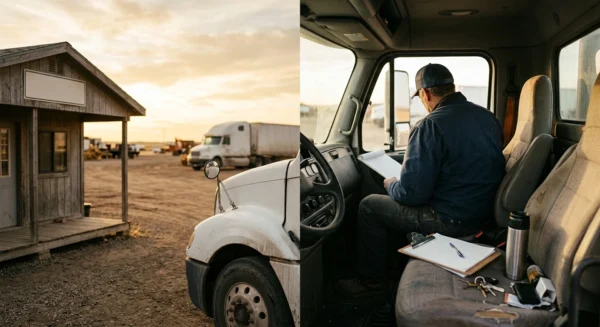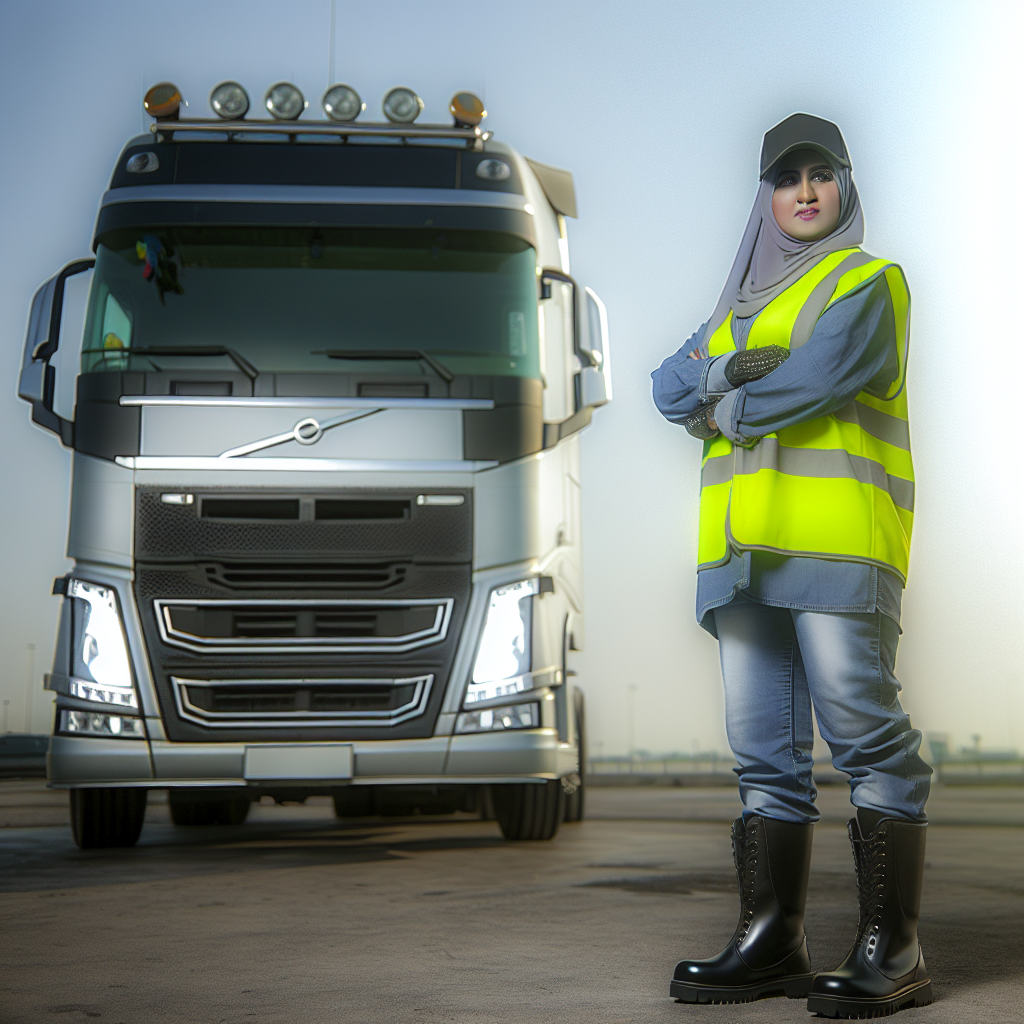
The right truck driver uniform is more than a fashion choice—it’s an essential part of a professional driver’s toolkit. Gone are the days of greasy jeans and old T-shirts. Today, trucking professionals need apparel that balances comfort, function, and a polished appearance. Whether you’re inside the cab, at a shipper’s dock, or pulled over for a roadside inspection, the right gear keeps you safe, prepared, and respected.
Why a Professional Truck Driver Uniform Matters
Your uniform is as mission-critical as your truck’s tires or brakes. A well-fitted truck driver uniform does more than look clean—it boosts performance, allows freedom of movement, and protects against hazards on the road.
Looking professional helps build trust. Shippers and receivers notice when you show up in durable, clean gear. While it might not always influence contract rates, it strengthens your reputation in a competitive market. For owner-operators, your appearance reflects your brand. Company drivers enhance their carrier’s image through sharp presentation.
The right uniform also safeguards your health. Compression socks fight leg fatigue on long hauls. High-vis vests increase safety during night deliveries. Flame-resistant shirts are essential for hazardous material hauls—many shippers won’t load you without them.
Essential Components of a Truck Driver Uniform
Every driver builds a wardrobe based on the routes they run and freight they haul. The right gear ensures comfort, function, and safety on the job. Here’s what should be in your rotation:
- Moisture-Wicking Base Layer: Keeps your body temperature regulated. Look for polyester or merino wool shirts that minimize chafing. Long sleeves offer both warmth and sun protection.
- Durable Work Pants: Choose pants with reinforced stitching, stretch, and water resistance. Brands like Carhartt and Duluth Trading offer workwear ideal for kneeling, fueling, or checking axles.
- Reflective Safety Vest: A must at docks, terminals, and construction zones. Easy access storage—such as a cab door pocket—makes it fast to grab before stepping out.
- Steel Toe or Composite Boots: Not required by DOT, but vital when walking around forklifts, loading zones, or trailer doors. Choose lightweight composite for long-haul comfort and OSHA compliance.
- Insulated Outerwear: Layering is key on cold routes. A high-vis jacket or FRC shell protects you in snow, wind, and while working around flammable cargo.
- Gloves: Stock multiple types: insulated for cold, nitrile for fueling, and mechanics gloves for trailer work. Keep extra sets stored in your sidebox and glove compartment.
- Cap or Hat: Protect yourself during long hours in sun and rain. A mesh-back hat with your logo promotes brand identity and sweat control.
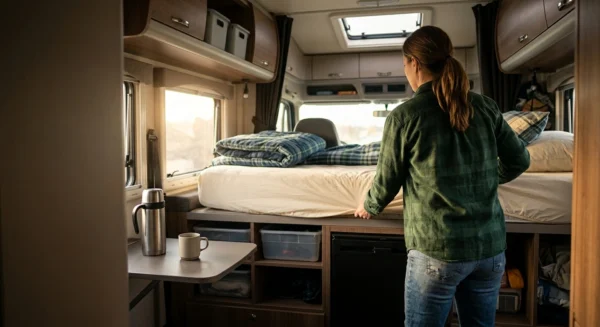
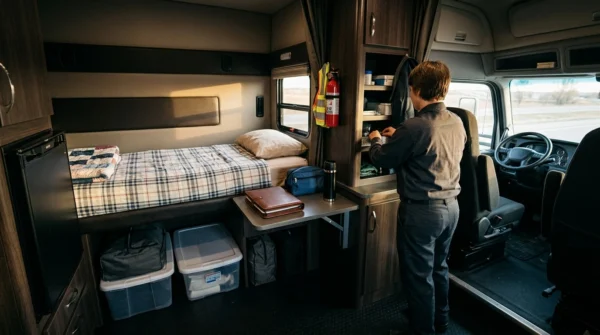
- Rain Gear: Lightweight, packable shells like Frog Toggs are lifesavers during sudden downpours. Store them in sleeper cabs for quick use.
If you’re OTR for weeks, pack better than you think you need. Plan clean clothes between laundry stops at major chains like TA or Love’s. Staying fresh on the road is part of staying safe and professional.
Truck Driver Uniforms by Driving Type
Your truck driver uniform should reflect the demands of your route, freight type, and customer interaction level. One-size-fits-all doesn’t cut it across different trucking roles.
Flatbed and Heavy Haul
Wear rugged pants, insulated coveralls, and weather-proof boots. Invest in protective goggles for wind and debris when tarping loads. In colder states like Montana and North Dakota, flame-resistant outer layers become a daily essential.
Regional and LTL Drivers
You interact with more people during your day, so pack clean polos or logoed shirts. Improve comfort and presentation with breathable fabrics. Always keep a spare shirt in the cab—reroutes happen quickly, and some delivery locations have strict dress codes.
Hazmat and Tanker Haulers
These hauls often come with PPE requirements. FRC shirts, long sleeves, and OSHA-approved boots are the norm at chemical offload points. Confirm regulations with each terminal—especially along the Gulf Coast and in West Texas.
Local Delivery
For city routes, prioritize agility. Breathable uniforms with supportive footwear ease strain during frequent stops. If allowed, summer shorts and vests offer comfort and visibility—just don’t sacrifice safety features like reinforced soles.
Maintaining Your Uniform on the Road
Uniforms break down without care. Wash them weekly using facilities at major truck stops or terminals. Bring your own detergent pods to reduce costs, and use mesh laundry bags to organize socks and delicate gear.
Dry vests, boots, and jackets out of direct heat to maintain their reflective or waterproof features. Stash dirty clothes in vented sacks to minimize odor. Replace gloves and worn-out items before they become hazards—keep backups on board via truck stop stores or Amazon Lockers.
DOT Inspections and First Impressions
While not mandatory, a professional truck driver uniform helps during inspections. Officers scan your appearance for clues about your attention to detail. Showing up in clean clothing, with boots laced and safety glasses visible, creates a positive impression.
Inspections often begin the second you roll into weigh stations. From California’s I-5 to West Virginia’s Turnpike, dressing with care sends this message: “I take my equipment—and my job—seriously.” You set the tone for how smoothly the process will go.
Safety and Performance Benefits
Every uniform item contributes to a safer day behind the wheel. Compression socks reduce swelling and deep vein concerns. Breathable shirts prevent overheating under high-vis vests. Cold-weather jackets reduce exposure risks during winter pre-trips.
Hands stay safe with gloves during fueling, tire changes, or reefer hose connections. When your body stays comfortable and dry, you’re sharper and better able to handle tough driving conditions in places like I-80’s mountain passes or rainy Northwest corridors.
Gear Up for the Road Ahead
Your truck driver uniform isn’t just what you wear—it’s part of how you operate. Build a rotation that works in all weather and meets safety expectations. Keep it clean, functional, and suited for the roles and regions you run.
If you’re hauling reefer loads into Phoenix, pulling steel in Chicago, or handling containers in Long Beach, your uniform is your armor. Dress smart. Dress confident. Dress like a professional—and the road will reward you mile after mile.