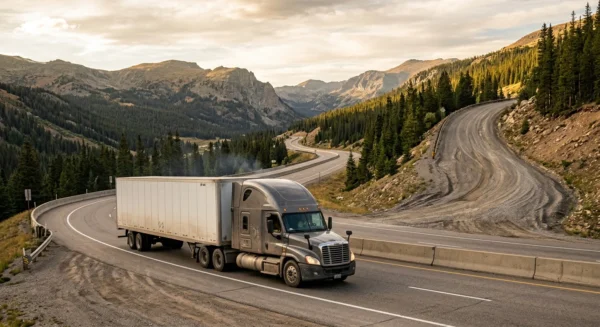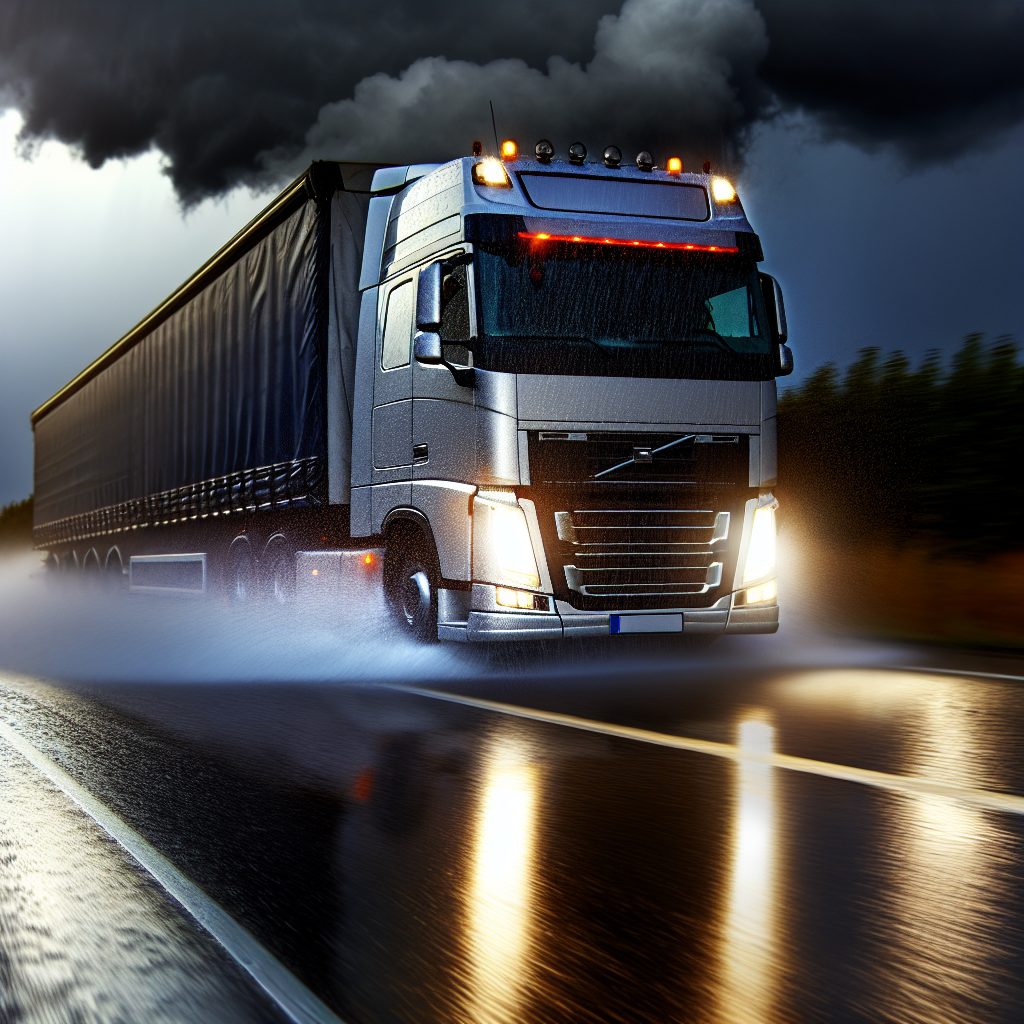
Truck driving in extreme weather demands sharp judgment, precise preparation, and years of experience. From managing icy conditions along I-80 in Wyoming to navigating gusty winds on I-40 in New Mexico and flash flooding on I-10 in Louisiana, every region challenges drivers in unique ways. Staying safe and on schedule means understanding these risks and preparing both rig and mindset. Whether you’re a rookie starting out in a Freightliner or a veteran behind the wheel of a Peterbilt, this guide offers road-proven strategies for safer truck driving in extreme weather.
Recognize the Hazards of Extreme Weather
Truck driving in extreme weather exposes drivers to a wide range of environmental threats. Each demands a specific approach:
- Winter Storms: Ice, snow, and black ice pose major threats from November through March, especially in the northern states and over passes like Donner on I-80.
- Flooding and Heavy Rain: Southern states along highways like I-10 face intense rain and water buildup, particularly during hurricane season.
- High Winds: Crosswinds along I-70 or I-40 can destabilize high-profile trailers, especially when empty or lightly loaded.
- Extreme Heat: Desert corridors in Arizona and Nevada cause pavement temps to soar, risking tire blowouts and engine strain.
Stay weather-aware by using tools like NOAA alerts and driving assistant apps such as Drivewyze and WeatherRoute. In mountain regions like the Rockies and Appalachians, weather can shift rapidly—check conditions frequently during trips.
Essential Equipment Checks Before Hitting the Road
The right prep can mean the difference between a smooth haul and a roadside emergency. Preventative maintenance is crucial for truck driving in extreme weather. Use these tips to prep your rig:
- Tires: Maintain proper pressure and inspect tread depth. Cold weather deflates tires quickly—check weekly.
- Brakes: In sub-zero temps, drain air tanks to prevent line freezing. Cold air and moisture don’t mix.
- Wipers and Washer Fluid: Replace blades regularly. Choose winter-ready washer fluid to avoid freezing mist on the windshield.
- Battery: Cold starts pull more current. Clean terminals and test battery strength before deep winter runs.
- Lights: Road spray and snow dim visibility. Keep extra bulbs on hand for trailer and marker lights.
- Defrosters and Heaters: Ensure cab heat and bunk systems function properly before heading into cold zones.
Build an emergency kit with traction aids, tire chains, insulated gloves, cold-weather gear, and an ice scraper. A snow shovel may seem excessive—until it isn’t.
Smart On-the-Road Decisions in Harsh Conditions
Driving judgment makes all the difference. Stay proactive and adjust your plan the moment conditions begin to change. These best practices optimize safety and efficiency:
- Trip Planning: Monitor DOT sites like Caltrans and WSDOT for road restrictions and chain laws. Real-time updates prevent reroute delays.
- Route Changes: Sometimes a longer path avoids heavy snow and saves hours. Consider lower-elevation alternates like I-55 over I-70 where feasible.
- Adjusting Speed: Reduce speed in poor visibility or slick roads. Avoid cruise control when traction is limited.
- Maintain Distance: Create a larger safety buffer. In snow or fog, aim for 12 seconds between you and the vehicle ahead.
- Managing Wind: For winds above 40 mph, avoid exposed open routes with an empty trailer. Redistribute weight if possible to stabilize your rig.
Fuel smartly in northern regions. Use cold-weather diesel additives or seek pre-treated fuel at truck stops in places like Minnesota or North Dakota. Gelling will leave you stranded—and fuel top-offs freeze if left overnight unfilled.
Understanding Weather-Related DOT Rules
The FMCSA provides guidance that protects drivers facing dangerous conditions. Knowing these regulations helps you operate safely and stay in compliance:
- Adverse Driving Conditions Rule: FMCSA allows two extra hours on both the 11-hour driving and 14-hour on-duty limits during qualifying delays. Always record these in your ELD with detailed location notes.
- Chain Laws: Colorado mandates chains in winter over Vail Pass. Oregon includes axle-by-axle requirements—check each state’s DOT portal before departure.
- Out-of-Service Protocols: If it’s too dangerous to continue, communicate with dispatch and park safely. Document with photos or weather alerts if needed.
Build trust with dispatch so your safety decisions are respected. Wise drivers know that truck driving in extreme weather means choosing health and humanity over cargo deadlines.
Where to Stop and When to Wait It Out
Strategic parking is essential when weather turns dangerous. The smartest drivers plan their next stop before conditions deteriorate. Consider these options:
- TA and Petro: Their larger lots and on-site repair support make them preferred shelter-in-place options near mountain passes like Cheyenne, WY.
- Love’s and Pilot/Flying J: These chains often integrate real-time weather alerts in their apps, helping with route shifts and rebooking showers, fuel, or food in a storm.
Use apps like Trucker Path or Google Maps to check live parking availability, especially during storm watches. If other pros start parking early, take note—it’s a sign seasoned drivers are watching changing weather patterns.
Final Takeaways for Thriving in Extreme Conditions
Truck driving in extreme weather tests skill, preparedness, and professionalism. A successful ride isn’t just about motion—it’s about measured decisions. Smart drivers earn reputations for delivering safely, not recklessly. They know every choice, from tire selection to park-and-wait strategy, adds up to long-term success.
Prioritize safety, communicate with your carrier, and prepare for the worst before you hit the high country or hurricane zone. Whether you’re pulling reefers through the Midwest or flats into the Rockies, always remember: smart trucking conquers weather—not the other way around.