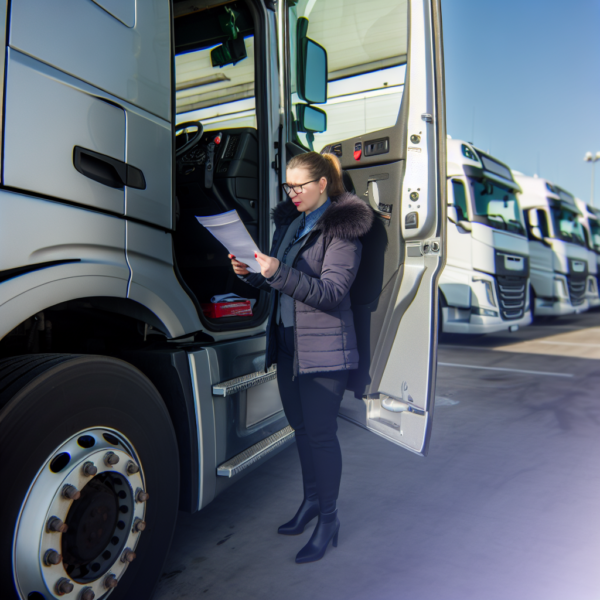
The future of trucking is unfolding before our eyes, and anyone who’s been driving for the past 20 years can tell you the industry has transformed dramatically. From GPS routing to electronic logging devices (ELDs), today’s big rig is more high-tech than ever. As we roll forward, drivers must navigate a landscape shaped by emerging technology, new regulations, evolving freight patterns, and the real-life demands of the open road.
Automation and Driver-Assist Tech: Tools That Empower Drivers
There’s been plenty of talk about autonomous trucks replacing drivers, but the reality feels different on the ground. While automation is advancing, full autonomy isn’t ready to match the decision-making skills of an experienced trucker. Instead, new tech works alongside drivers to enhance safety and efficiency.
Modern features like adaptive cruise control, automatic emergency braking, and lane departure warnings are becoming standard in trucks from brands like Freightliner and Peterbilt. These tools reduce fatigue and minimize accidents—especially on long, straight stretches such as I-80 through Nebraska. Still, no automated system can back into a tight dock in Baltimore at 2 a.m. or handle a snow-packed descent through the Rockies.
Trade shows like the Mid-America Trucking Show highlight the direction we’re heading, with Level 2 driver-assist systems gaining traction. These systems help with automatic lane centering while keeping human oversight in place. In short, the future of trucking means using smarter tools—not eliminating skilled drivers.
Electric and Alternative Energy Trucks Hitting the Highways
Diesel trucks aren’t going away overnight, but electric and hydrogen-powered rigs are gaining ground fast. Fleets are testing options like the Tesla Semi, Freightliner eCascadia, and Nikola models, particularly for short-haul and regional operations. Charging infrastructure and battery range still limit broader adoption, but they’re expanding year by year.
If you’re operating around California ports or Midwest distribution hubs, EV trucks may already be part of your daily view. For long-haul drivers, range concerns along interstates like I-40 or I-5 are still a hurdle. Yet, the future of trucking includes familiarizing yourself with regenerative braking, battery heat management, and EV-friendly facilities.
Pro tip: Learn your route’s charging stations now, especially if your fleet adds electric models. Pilot, Love’s, and others are installing chargers nationwide, but coverage isn’t seamless just yet. Smart charging habits, along with careful route planning, will help you stay ahead of schedule as this technology scales.
Mastering ELDs and Optimizing Hours of Service
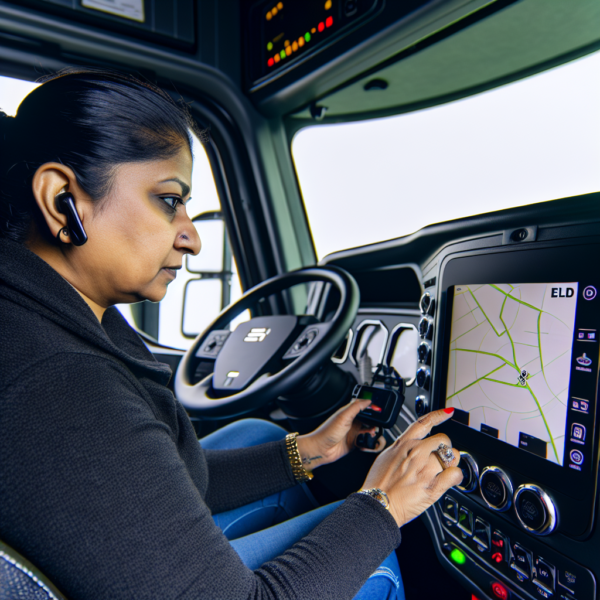
ELDs are fully integrated into our industry, but their influence continues to evolve. As compliance systems grow smarter, dispatchers are using real-time data to better plan around the 14-hour driving window. That’s helpful—but it also creates pressure to be precise out on the road.
Today’s apps like TruckerPath, KeepTruckin, and Drivewyze provide valuable support, from locating parking to bypassing weigh stations. Knowing how to use ELDs to your advantage is crucial.
Strategy matters. For example, if you’re based in traffic-heavy cities like Dallas or Atlanta, optimize your start time to avoid peak congestion. Reserve parking before 5 p.m., especially in high-traffic areas like Ontario, CA or Joplin, MO. Planning ahead makes all the difference when margins are tight and time is limited. In the context of the future of trucking, success means mastering both the tech and the traps of compliance.
Driver Shortage: Opportunity and Responsibility
One of the defining forces behind the future of trucking is the industry-wide driver shortage. With reports showing a 60,000+ driver gap, carriers are more eager than ever to attract and retain top talent. That shortage creates opportunities for higher pay, better routes, and newer trucks—especially for seasoned drivers.
Younger drivers are entering through CDL programs and apprenticeship pipelines, often bringing tech-savvy skills but fewer miles. Experienced operators who combine mentorship with adaptability can maximize their value in the current environment.
Owner-operators, in particular, benefit from this shift. With more freight available, load boards like DAT and Truckstop.com are seeing premium per-mile payouts—especially for hazmat or reefer loads. If you’re willing to take on last-mile deliveries near urban hubs or surge lanes on I-35, earning potential spikes significantly. Still, discipline, solid scheduling, and diligent maintenance remain as vital as ever.
Spec Now, Save Later: Equipment Efficiency and Smart Maintenance
Another central aspect of the future of trucking is smarter, more efficient equipment usage. Whether you lease a Kenworth T680 or customize your own setup, optimizing fuel consumption and driver comfort protects your profits.
Fuel-saving upgrades include automated manual transmissions (AMTs), super singles, and aerodynamic kits like side skirts and wheel covers. Even minor improvements—like trailer tail additions—can add up, especially over thousands of miles across I-70 or I-40. Inside the cab, APUs and bunk heaters keep drivers rested while cutting idle time. Leading brands like Thermo King are tailoring systems for both extreme heat in Arizona and deep cold in the Dakotas.
Maintenance is going predictive as fleets integrate telematics to monitor wear on key systems in real time. Whether you’re DIY or working with a shop, staying ahead of emission system issues is essential. Keep spares like NOx sensors or coolant clamps on hand—especially when running through rural stretches of Utah or Montana where service options are limited.
Lifestyle and Health: Thriving at Every Stop
Truck stops aren’t what they used to be—and that’s a good thing. Leading operators like TA/Petro and Love’s are raising the bar when it comes to driver wellness. Flagship locations such as the TA in Knoxville, TN now offer gyms, lounges, and expanded amenities for drivers planning layovers.
As part of the future of trucking, health and safety are becoming just as important as fuel and freight. Carrying a personal refrigerator, microwave, and basic cookware reduces reliance on greasy food stops. Apps like MyFitnessPal make meal tracking easy, particularly when sticking to grilled proteins and healthy sides from spots like Iron Skillet.
Parking safely is also a top priority. Choose well-lit areas, avoid tight spots near high-traffic pumps, and lock your doors overnight—even at familiar major truck stops like Iowa 80. These small decisions can make your day more productive and your job far safer in the long haul.
Navigating the Road Ahead
The future of trucking blends technology, resilience, and hands-on experience. Today’s successful drivers will be those who embrace change while maintaining the tried-and-true instincts that keep America moving. Use routing apps and real-time traffic alerts—but also know where to pull off near Salt Lake when your 14-hour clock winds down.
From veteran O/Os hauling coast to coast, to regional drivers running loops through the Midwest, to new CDL grads learning the ropes, a new era has arrived. Make room for innovation in your rig—but never lose that road sense built over miles and years. Because no one understands this country better than the drivers navigating its highways each night, guiding the economy one mile at a time.