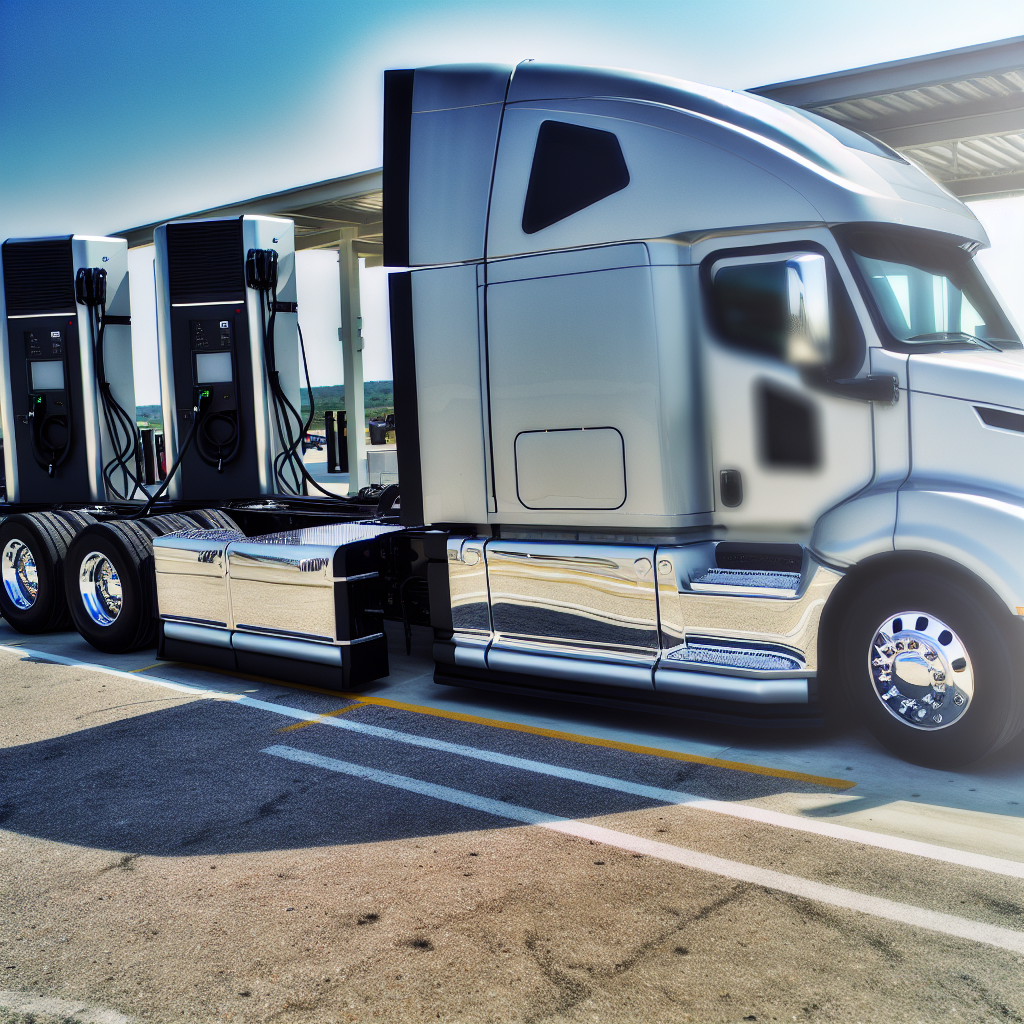
Eco-Friendly Trucking is more than just a trend—it’s a smarter, cost-effective way to drive in today’s high-cost, high-regulation world. For truck drivers, the road is home, and the rig is your office. While every mile earns your paycheck, your driving choices also impact fuel consumption, emissions, and long-term rig maintenance. Whether you’re an owner-operator, leased to a fleet, or new to the CDL world, adopting eco-friendly trucking habits can save money, reduce downtime, and benefit the environment—all while keeping you safe and profitable on the highway.
Smart Driving Habits That Support Eco-Friendly Trucking
One of the quickest ways to reduce emissions and boost fuel efficiency is by adjusting your driving style. Smooth, steady driving reduces fuel waste and lowers your carbon footprint. Avoid hard acceleration, minimize idle time, and keep a consistent speed whenever possible—your fuel tank and the planet will thank you.
Using cruise control effectively, especially on flat stretches like I-80 or I-10, promotes a steady throttle input. Many modern rigs, such as Freightliner Cascadias and Volvo VNLs, come equipped with predictive cruise systems. These learn elevation patterns and adjust speed accordingly to minimize unnecessary fuel burn.
Limiting your top speed also pays off. Driving 75 mph may get you there faster, but it significantly increases fuel use. According to the U.S. Department of Energy, each mph over 60 lowers fuel economy by about 1.5%. Instead, slowing to 65 mph can boost mileage and reduce wear on engine components.
Idle reduction is critical for eco-friendly trucking, especially when parked overnight. Diesel or electric auxiliary power units (APUs) from Thermo King or Carrier let you maintain cabin comfort without idling your engine. For trucks without APUs, insulated curtains, cab heaters, and IdleAir electrified parking stations offer sustainable alternatives to extended idling in extreme weather.
Eco-Friendly Routing and Load Management
Efficient route planning is vital for eco-friendly trucking. Smart navigation helps avoid unnecessary miles, traffic jams, and steep grades—protecting both fuel economy and your schedule. Apps like Trucker Path, CoPilot Truck, and even Google Maps’ traffic overlays help steer you toward greener, faster paths.
Many seasoned drivers leaving California detour around I-5 bottlenecks via I-210 or opt for night driving through Phoenix to avoid rush hour. Fewer traffic stops mean less idle time, reduced fuel use, and lower emissions.
If you’re part of a fleet, speak with dispatchers about green routing options. Fleet systems often use real-time data to choose routes that balance terrain, fuel stops, and congestion. Owner-operators using TMS tools like TruckLogics or KeepTruckin can plan smart by integrating fuel price data and load opportunities into route optimization.
Proper load distribution also influences eco-efficiency. Position freight evenly between axles to reduce rolling resistance and drag. Well-balanced loads save fuel and extend tire life, improving both profitability and sustainability.
Eco-Conscious Equipment and Aerodynamic Upgrades
Your truck’s gear plays a major role in eco-friendly trucking. Even older trucks can be modified to reduce emissions and improve MPG. Retrofitting with aerodynamic parts, efficient tires, and lightweight components offers long-term savings and environmental impact.
Low rolling resistance tires from Goodyear, Michelin, or Bridgestone can improve fuel economy by up to 5%. Pair these with automatic tire inflation systems to maintain optimal pressure and prevent fuel-sapping underinflation.
Aerodynamic add-ons like trailer side skirts, cab fairings, nose cones, and trailer tails reduce wind drag by as much as 10%. These modifications are especially beneficial on long, flat routes where aerodynamic resistance is a fuel-killer.
For older rigs, upgrading to newer emissions-compliant engines may be worth the investment. Modern diesel engines with DEF systems burn cleaner and run more efficiently. If a new truck isn’t in the cards, keep emissions systems well-maintained by servicing EGR valves, turbochargers, and diesel particulate filters (DPFs) regularly.
Green Truck Stops and Sustainable Infrastructure
Eco-friendly trucking is getting easier thanks to updated infrastructure at national truck stops. Chains like Pilot Flying J, TA-Petro, and Love’s offer services tailored to reduce emissions and save fuel. From shore power hookups to DEF pumps and APU plug-ins, your pit stops can now support your green goals.
Many Love’s locations throughout Texas and the Midwest provide DEF at-the-pump, while TA-Petro locations commonly offer IdleAir plug-ins for overnight stays. Using shore power instead of running your engine cuts pollution and keeps you comfortable.
Programs through the EPA and state initiatives such as the California Clean Truck Program are accelerating the rollout of electrified parking across the country. PlugShare and IdleAir apps help you find the nearest green-friendly options along your route.
Additionally, fueling apps like FuelBook or Mudflap make eco-friendly trucking more convenient by guiding drivers to clean diesel stations that participate in low-emission fuel initiatives. Planning your stops smartly contributes to both efficiency and lower emissions.
Preventive Maintenance for Long-Term Sustainability
Clean trucks run more efficiently. Preventive maintenance is a foundational part of eco-friendly trucking that often goes underappreciated. Small issues like worn injectors or clogged filters quietly hurt fuel efficiency and contribute to greater emissions over time.
Stick to maintenance schedules based on engine hours rather than miles—especially for trucks on rough routes or carrying heavy loads. Services like DPF cleaning, EGR system inspection, and turbocharger checks should never be skipped. Clean combustion systems ensure proper fuel burn and reduce harmful emissions.
Some ECMs can monitor regen cycles to ensure particulate filters clean themselves correctly. If you notice frequent regen alerts or sluggish performance, consult a technician promptly. Active regen failures increase soot buildup and can lead to costly roadside repairs.
Using quality fuel additives in harsh climates, like those from Howes or Power Service, can prevent gelling in winter, clean injectors, and improve combustion. Cleaner burns mean less pollution and better MPG—a clear win for eco-conscious drivers.
Turning Small Changes Into a Greener Future
Eco-Friendly Trucking isn’t about overhauling your entire operation overnight. It’s about stacking small, smart changes over time. Whether you’re running Midwest regional loads, OTR dry van out of Dallas, or dedicated reefer out of Atlanta, your decisions behind the wheel matter.
This week, track your idle time and engine hours. Next week, drop your average highway speed by a couple of MPH and compare fuel usage. Choose a route that avoids heavy congestion. Gradually, explore aerodynamic upgrades or spec your next rig with eco-friendly features in mind.
Truckers are known for innovation—from sliding tandems and lift axles to regenerative brakes on new electric semis. Eco-friendly trucking continues that legacy. It saves fuel, cuts costs, and protects the environment for future drivers.
The road to sustainability is already mapped out—your next move just needs to drive it forward, one mile at a time.