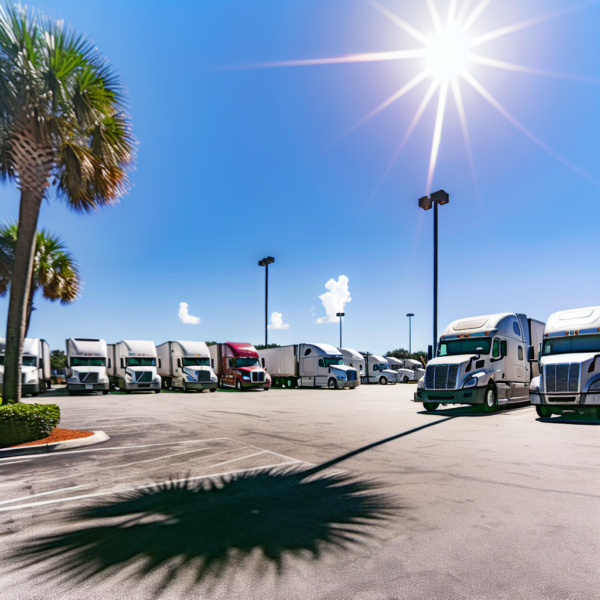
Dump Truck Driver Salaries remain a driving force behind why many CDL holders pivot to this local hauling niche. In an industry rapidly adapting to new DOT standards, urban development, and logistics shifts, dump truck driving offers consistency, competitive pay, and the invaluable perk of coming home each night.
What Does a Dump Truck Driver Do?
Before diving into numbers, it’s smart to understand what dump truck jobs actually involve. These drivers haul loose materials like gravel, sand, asphalt, demolition debris, and seasonal loads such as salt or snow. Unlike long-haul trucking, most dump truck routes are short and local—ideal for those seeking work-life balance without sacrificing income.
Drivers often begin their shifts early, around 4:00–5:00 a.m., and run 10–12 hours depending on site delays, load queues, and traffic congestion. A typical day may include multiple trips between quarries, landfills, transfer stations, and construction sites. Navigating areas like Ohio’s I-75, Atlanta’s GA-400, or Dallas-Fort Worth’s I-20 efficiently can directly impact profitability. Saving time means saving fuel—and fuel is money.
The job demands stamina and attention to detail, but many prefer the routine and predictability of dump truck work. Best of all, seasoned drivers value being home nightly, foregoing hotel stays, sleeper cabs, and long stretches away from family.
Dump Truck Driver Salaries by Experience and Region
So what’s the earning potential? Dump Truck Driver Salaries vary by location, experience, truck type, and material hauled. Here’s a breakdown across key categories:
- Entry-Level CDL Drivers: Aspiring dump truckers with a fresh Class A or B license can earn between $17 and $22 per hour, equating to $35,000–$45,000 annually. New drivers often find steady work in construction-heavy states like Florida, Texas, and the Carolinas.
- Experienced Company Drivers: With solid safety records and at least two years behind the wheel, earnings rise to $23–$28 per hour. During peak construction seasons in cities like Denver, Chicago, or Seattle, drivers sometimes take home $1,200+ weekly.
- Owner-Operators: Operating your own dump truck offers the highest earning potential—$70,000 to $120,000+ per year. However, success depends on smart fuel use, regular maintenance, and reliable contracts. High-growth metro areas such as Houston, Phoenix, and Nashville offer the best pay-per-load rates.
Some companies also offer tiered bonuses for safe driving or high tonnage deliveries, enhancing annual income. Seasonal demand spikes, especially from spring through early fall in the Midwest and Northeast, often lead to increased hourly rates and overtime pay.
How to Maximize Dump Truck Driver Salaries: Insider Tips
Boosting your salary as a dump truck driver takes strategic planning and operational savvy. Here are proven tactics for maximizing earnings:
- Monitor Load Times: Extended delays at worksites cut into daily profits. Always track load and wait times. Some contractors pay additional for waits over 30 minutes.
- Plan Fuel-Efficient Routes: Avoid high-idle routes and congested corridors. Use navigation tools like Trucker Path to locate efficient pathways and avoid delay-prone areas such as LA’s I-405 or Chicago’s I-290.
- Maintain Preventively: Equipment failures can cost you days—and dollars. Preventative maintenance, like greasing the hoist weekly and monitoring air system integrity, keeps you running profitably.
- Check Worksite Access: Survey each drop site in advance. Overhead obstructions or poor ground conditions can delay or cancel a load entirely—impacting your income for the day.
Boost your income potential with extra endorsements. Adding a HazMat or Tanker license can unlock off-season opportunities. In states like Minnesota, municipal snowplow contracts offer strong winter pay with short-term commitments.
Where You Drive Matters: Regional Pay Insights
Location greatly affects Dump Truck Driver Salaries. In states investing in infrastructure, pay scales run notably higher. Here’s a regional snapshot:
- West Coast (CA, OR, WA): With booming construction and municipal projects, annual salaries often range from $55,000 to $70,000. Consider balancing this with higher fuel and permit expenses.
- South (TX, GA, FL): High volumes of year-round hauling provide steady income. Experienced drivers report weekly earnings between $1,000 to $1,400 by optimizing their load cycle—such as running four loads daily from Dallas to Denton via TX-114.
- Northeast (PA, NJ, NY): Dense urban areas and ongoing revitalization projects drive up seasonal pay. Drivers in this region frequently earn $1,500 to $1,800 weekly, especially when factoring in union overtime and hazard bonuses.
- Midwest (IL, OH, MI): From April to October, this region becomes a hotbed for dump truck work. Routes like I-90 through Chicago or I-75 in Michigan offer repeat contracts in asphalt and gravel hauling.
Smart drivers keep tabs on regional peaks to time relocation, contract hunting, or equipment upgrades effectively. Knowing where demand spikes keeps your truck rolling all year long.
How Your Equipment Affects Dump Truck Driver Salaries
Your rig is both a tool and an investment. Choosing the right dump truck setup directly impacts your earning capability—especially for owner-operators. Consider these equipment factors:
- Pup vs. Super Dump: Super Dumps legally haul more weight—up to 80,000 lbs.—allowing you to earn more per cycle. They’re ideal in high-volume contracts where pay is based on tonnage.
- Manual vs. Automatic Transmission: Manuals offer more control on uneven terrain and sometimes superior fuel economy. However, automatics like the Allison 4000 simplify operation and reduce driver fatigue.
- Upgraded Hydraulic Controls: Feathering hoist controls ensure smoother dumping, decrease site delays, and reduce equipment wear.
- Onboard Scales: Know your load’s legality before leaving the site. Calibrated onboard scales allow more efficient hauling and fewer return trips.
Downtime kills profit. Stock your glovebox and side compartments with essential tools: extra PTO fittings, fuses, air hoses, and fluids. Locate nearby supply shops, whether you’re in Baton Rouge or Boise.
Contracts and Benefits: The Hidden Boost to Driver Income
Compensation isn’t just about the hourly rate. Benefits and seasonal contracts can enhance total income for both fleet drivers and owner-operators.
County and city fleet jobs often include 401(k) matches, health insurance, paid holidays, and longer-term security—especially during winter in snow-prone states. Meanwhile, private freight companies may offer flexible haul schedules that suit drivers seeking supplemental income through side gigs.
Snow removal contracts provide off-season income spikes. Municipalities in states like New York and Pennsylvania pay up to $28–$35 per hour for overnight salt or snowplow runs. Similarly, construction companies and landscapers often offer end-of-season bonuses for reliable owner-ops.
Consistent income starts with dependable contracts. Align with clients who value repeat service and timely delivery—and keep that book of business growing year after year.
Position Yourself for Maximum Earnings
Whether you’re new behind the wheel or a seasoned hauler, understanding the realities of Dump Truck Driver Salaries can help shape a more lucrative and sustainable career. From selecting the right contracts and equipment to using smart routes and maintenance habits, each decision adds up.
Stay informed, stay proactive, and keep your wheels—and your income—moving forward.