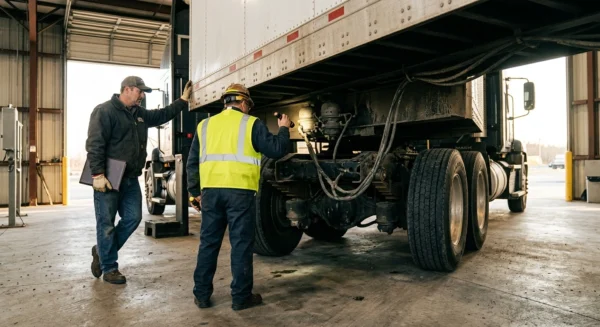
Common DOT violations are a significant concern in the trucking industry, affecting drivers across all levels of experience. Navigating these regulations is crucial for maintaining compliance and avoiding fines.
Understanding Common DOT Violations
Understanding what common DOT violations involve is essential. These violations often occur due to oversight, lack of awareness, or inadequate planning. They cover a variety of issues, such as breaches in hours of service and equipment maintenance failures. Frequent issues include logbook errors, faulty brake systems, load securement mistakes, and ignoring route restrictions. By being aware of these, drivers can maintain a clean record and avoid fines that affect profitability.
For example, improperly logging hours can happen during busy days on high-traffic routes or while managing deliveries in large cities. DOT officers often check logbooks, and discrepancies can lead to penalties. Regular checks and maintenance at truck stops are crucial to avoiding violations that impact safety and compliance.
Logbook and Hours of Service Violations
Errors in logbooks and hours of service breaches are common DOT violations. Federal regulations strictly define how long a driver can be on duty or driving. Comprehensive records must be maintained to demonstrate compliance. A missing entry, such as a break at a travel stop, can result in significant penalties.
To ensure accuracy, use electronic logging devices (ELDs). ELDs help in accurate record-keeping and reduce human error. Planning routes with scheduled stops at major travel centers enables compliance with rest requirements.
Vehicle Maintenance and Equipment Violations
Vehicle maintenance is mandatory to avoid common DOT violations. Negligence can lead to issues like faulty brake lights and tire problems. Spend time inspecting key components before hitting the road.
An unnoticed defect during morning checks can lead to a roadside inspection and fines. Regular maintenance enhances safety and fuel efficiency, benefitting your bottom line.
Load Securement and Weight Violations
Improper load securement and weight breaches are frequent sources of violations. These often result from rushing to meet delivery deadlines. Insecure loads risk shifting and overweight vehicles can damage roads, leading to fines.
Always double-check load securement before departure. Use weigh stations along the route for verification. Verify compliance using pre-set scales on major transportation corridors to ensure a safe journey.
General Safety Violations and Tips to Avoid Them
General safety violations range from seat belt use to emergency equipment readiness. Accumulated citations in these areas can increase insurance rates and affect earning potential.
Consistently emphasize safety practices. Ensure that emergency equipment is readily accessible and use seat belts at all times. Regular safety courses, available online or at logistics centers, keep drivers informed about regulation updates and safe practices.
By staying vigilant and planning effectively, truck drivers can avoid pitfalls on the road. As DOT regulations evolve, being proactive and informed is the key to maintaining safety and compliance.