Knowing how to handle road rage for truckers is critical the moment you hit the open road. As a professional driver, you’re not just navigating tight schedules and steep grades—you’re also dealing with distracted four-wheelers, unpredictable traffic, and sometimes, aggressive drivers. Whether you’re hauling reefer loads on I-80 in the dead of winter or maneuvering through Atlanta traffic on I-285, managing high-tension interactions is essential to protecting your CDL, your rig, and your well-being.
Understanding the Risk: Why Road Rage Matters to Truckers
Truckers operate 40-ton vehicles on some of America’s busiest highways. One bad decision during a moment of frustration can cause more than a delay—it can lead to DOT violations, insurance issues, or worse, career-altering incidents. While personal drivers may act emotionally, how to handle road rage for truckers means staying calm to protect your FMCSA safety score and your company’s reputation.
Take I-5 in Southern California, for instance. During peak traffic between San Diego and Los Angeles, you’re likely to face aggressive tailgaters or risky pass attempts near the Grapevine. In situations like these, managing your reaction is the difference between delivering on time or spending hours explaining paperwork to safety managers.
Recognizing Common Road Rage Triggers
Road rage rarely happens without warning. Identifying common triggers can help you de-escalate before things get out of hand. frequent irritants for truckers include:
- Drivers annoyed by your governed speed, especially on two-lane roads.
- Cutting off trucks to make last-minute exits, especially around splits like I-75/I-71 in Cincinnati.
- Tailgating on downgrades in mountainous areas such as I-70 in Colorado.
- Brake-checking in construction zones, especially near cities like Chicago on I-294.
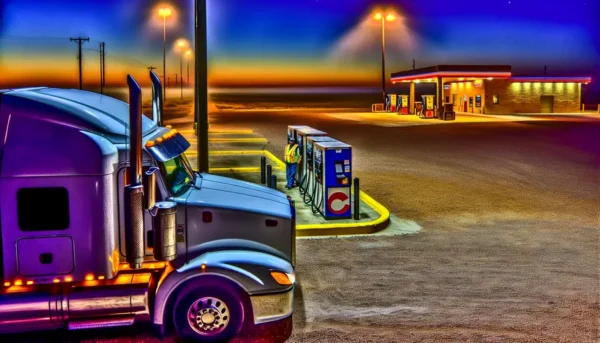
- Conflicts at packed truck stops over parking or fuel lanes.
In urban areas, hostile drivers might even try to physically confront you. Recognizing early signs like aggressive lane changes or repeated honking helps you plan your next move safely and effectively.
How to Handle Road Rage for Truckers on the Road
If you’re crawling through traffic on I-95 or navigating Dallas-Fort Worth gridlock, road rage is always a potential threat. Knowing how to handle road rage for truckers in real time can protect both your cargo and your license. Use these strategies:
- Remain calm. Control your breathing and keep emotions in check. Reacting with anger won’t help—and may hurt your safety record.
- Avoid eye contact. Use your mirrors to stay aware, but never engage directly.
- Don’t make gestures. Even minor signals can be misread. Maintain a neutral posture and stay focused.
- Increase your space cushion. If someone’s driving erratically, slow down and create distance. Let them pass safely.
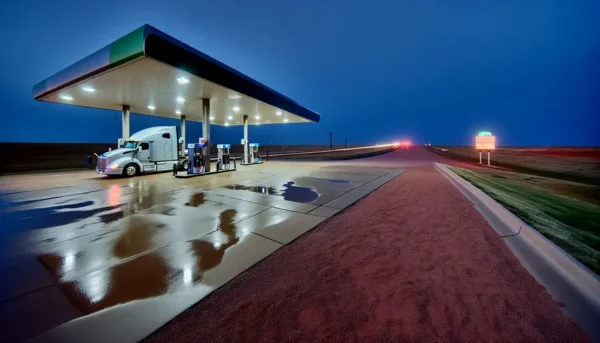
- Exit when safe. Pull off at a well-lit truck stop like a Pilot or TA if you need to de-escalate.
- Notify dispatch or authorities. If someone is stalking, threatening, or endangering you, report it immediately. Use your dash cam if available to document the scene.
With cameras always rolling and service numbers plastered on trailers, your best defense is always a cool head and professionalism through and through.
Use Trucking Technology to Stay Protected
Modern rigs come equipped with tools built for safety and stress reduction. Learning how to handle road rage for truckers means leveraging those tools to your advantage when tension rises.
Typical safety tech includes:
- Dash cams (front, rear, and cabin): Record events for insurance and legal protection. Systems like Lytx and Samsara are often ELD-integrated.
- Collision avoidance sensors: Alert you to blind-spot vehicles during merges—especially critical in urban areas and lane-heavy highways.
- CB radios and nav apps: Alert fellow drivers to trouble spots. Trucker Path and Drivewyze can help reroute away from congestion or reported incidents.
- Hands-free communication systems: Stay compliant and distraction-free when contacting dispatch or safety personnel during conflicts.
These systems don’t just help you react—they help prevent escalation by giving you the insights and access needed for smarter, safer decisions on the road.
Better Trip Planning Cuts Down on Conflict
Veteran truckers know that successful deliveries start with solid trip planning. A smart route can help you avoid high-stress zones and driver confrontation entirely—key to mastering how to handle road rage for truckers.
For example, if you’re heading from Memphis to Nashville on I-40, fueling at the TA in Denmark (Exit 60) before 3 p.m. allows you to miss peak rush hour in downtown Nashville. Avoiding urban rush traffic reduces your stress and interaction with aggressive drivers.
Use ELD logs to time pre- and post-trip inspections where you can briefly disconnect, stretch, eat, and reset. If approaching congestion near Virginia’s I-81, opt for a peaceful 30-minute break at a quieter location rather than battling for parking in Carlisle at 9 p.m.
And always avoid engaging with anyone in a dimly lit or remote rest area at night. If a situation seems unsafe, stay secured in your cab until help arrives or daylight returns.
Protect Your CDL and Reputation
Your CDL is your livelihood, and part of knowing how to handle road rage for truckers means protecting it during and after an incident. Even if you’re not at fault, a poorly handled situation can lead to disciplinary action, re-training, or worse—termination.
If an event occurs, immediately report it to your safety or terminal manager with:
- Accurate event timeline
- Dash cam footage (if applicable)
- Witness contact information
- Law enforcement report copies if available
Owner-operators should document everything for future legal and insurance needs. Remember, if a video surfaces later showing your reaction—even if provoked—it could affect your standing with regulators or insurers.
Mental health matters too. Carriers like Maverick, US Xpress, and others offer hotlines and support. Reach out if the pressure builds. Decompressing is key to enduring the long haul.
Driving Smart for the Long Haul
Mastering how to handle road rage for truckers isn’t just about avoiding angry drivers—it’s about controlling your own mindset. Whether you’re navigating Jacksonville’s beltways or plowing through I-90 whiteouts near Buffalo, keeping cool comes from experience, preparation, and resilience.
Every mile is another step toward a clean record and full wallet. A smart, composed approach means you get home, get paid, and get ready for tomorrow’s road all in one piece. In the end, the best drivers know: It’s not about proving who’s right—it’s about protecting what matters most.