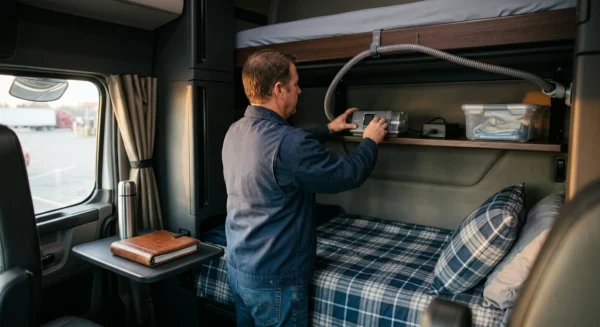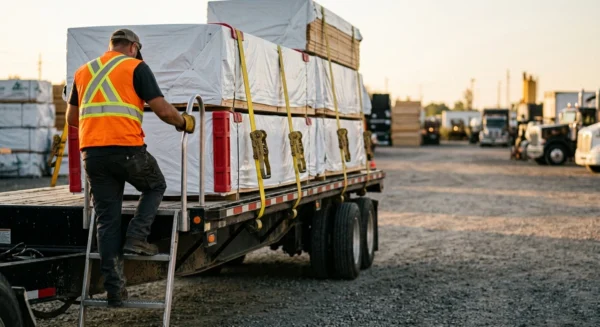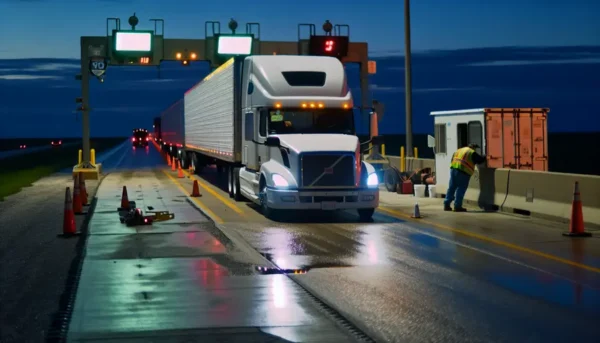
Insurance for truck drivers is more than just a line item on your budget—it’s a critical safeguard for your business, equipment, and livelihood. Whether you’re an owner-operator running dry van freight out of Texas or a company driver hauling reefer loads on I-95, the right coverage can keep your wheels turning when accidents or breakdowns occur. With so many policies available, understanding which ones apply to your operation helps you stay compliant, safe, and financially protected in this highly regulated industry.
Types of Insurance for Truck Drivers
Commercial truck drivers need tailored insurance based on how they operate. At a minimum, insurance for truck drivers includes primary liability, but depending on your setup—leased-on, independent, or fleet owner—you’ll likely need several additional forms of protection.
- Primary Liability Insurance: Required by the FMCSA, this covers bodily injury and property damage you may cause to others while driving your commercial motor vehicle.
- Non-Trucking Liability (Bobtail Insurance): Covers personal-use driving when not under dispatch—for example, deadheading after a delivery or stopping en route for fuel in Walcott, Iowa.
- Physical Damage Insurance: Protects your truck and trailer from theft, vandalism, weather-related incidents, and collisions. If you hit a deer on U.S. Route 83 or get caught in a Texas hailstorm, you’re covered.
- Cargo Insurance: Covers the load you’re hauling. Whether it’s electronics, pharmaceuticals, or frozen goods, this coverage helps if damage, theft, or spoilage occurs.
- Occupational Accident Insurance: A must for owner-operators without access to workers’ comp—helps cover medical bills, recovery costs, and lost wages after job-related injuries.
Carriers often offer bundled policies to match specific freight types and routes. Knowing your operating system—spot market or contract freight, long-haul or regional—is key to securing the right insurance mix.
Insurance Requirements Based on Trucking Setup
Your role in the trucking world—whether a company driver, leased-on owner-op, or fleet manager—determines what kind of insurance for truck drivers you need. Getting this right keeps you DOT compliant and prepared for the unexpected.
If you’re leased onto a carrier, they typically provide primary liability while you’re dispatched. However, you’re still expected to maintain physical damage insurance for your truck, occupational accident coverage for personal injury protection, and non-trucking liability when the truck is off-duty.
Running under your own authority? Then you’re responsible for full coverage: primary liability, cargo, physical damage, general liability, and possibly workers’ comp or occupational accident, depending on your structure. While the FMCSA minimum is $750,000 in liability, many brokers require $1 million or more—particularly for hazmat hauls or high-value commodities.
Fleet owners must also consider employee driver coverage, equipment loans, office liability, and DOT compliance. A clean CSA record, thorough safety protocols, and proactive maintenance can significantly lower your insurance rates across the board.
Top Factors Affecting Insurance Costs for Truck Drivers
Annual premiums for insurance for truck drivers can range from $7,000 to over $20,000 per truck. Knowing what impacts your rates gives you leverage when negotiating policies or switching providers.
- Driving Record: Clean MVR and PSP reports cut costs. Violations like DUIs or reckless driving raise your premium sharply.
- Base Location: Operators based in highly litigious states like California or New York often face higher premiums than those domiciled in Kansas or Iowa.
- Distance and Radius: Short-haul drivers typically pay less than coast-to-coast operators. More miles mean greater risk, so long-haul costs more.
- Truck Value: A newer Kenworth W990 with full mods will cost more to insure than a standard 2018 Freightliner Cascadia.
- Experience and Age: Drivers with at least two years of CDL-A experience qualify for better rates. New authorities face higher costs initially.
Installing safety tech—like dashcams, telematics (e.g., Samsara or KeepTruckin), and conducting regular DAO inspections—can qualify operators for significant policy discounts.
How to Lower Insurance Costs
Reducing the cost of insurance for truck drivers requires some planning and smart decision-making. Here are proven strategies to secure better rates while still maintaining full protection.
- Work with a trucking-savvy insurance broker. An agent who specializes in trucking knows what underwriters require and understands FMCSA regulations in detail.
- Stay DOT compliant. Update your MCS-150 regularly, file IFTA on time, and avoid roadside violations—especially in hotspots like I-35 and U.S. 80.
- Hire smart, train often. For fleet owners, read MVRs during hiring, conduct periodic safety training, and maintain a formal driver oversight program.
- Know what’s in the fine print. Don’t settle for policies that don’t cover your actual risks—especially when hauling niche or high-value loads like produce, hazmat, or steel coils.
- Bundle policies where possible. Many carriers provide bulk rate discounts if you include general liability, trailer interchange, or warehouse coverage under a single plan.
Also, if your truck is financed, you’re usually required to carry comprehensive and collision coverage. Letting that lapse can trigger force-placed insurance—usually at inflated rates with less protection.
Real-World Insurance Scenarios
Understanding when and how insurance for truck drivers works in real situations makes it easier to visualize its value. Here are three common events where the right policy can save your business.
Scenario 1: You’re hauling seafood from Seattle to Denver and your reefer breaks down near Boise. The cargo spoils. Only a cargo policy with reefer breakdown coverage protects you from the $150,000 load loss.
Scenario 2: While parked in Ontario, California, your truck is hit by another vehicle. With physical damage and parked truck coverage, your insurer handles repairs and subrogation against the at-fault driver.
Scenario 3: An owner-operator crashes on I-75 due to a tire blowout and suffers an injury. Occupational accident insurance covers lost income and medical expenses during recovery.
Staying connected with other drivers or engaging in industry forums like TheTruckersReport can help you discover what insurers offer the best value and service in the field.
Protect Your Trucking Business Now
Insurance for truck drivers isn’t something you put off—or hope you’ll never need. It’s a mission-critical investment in your career. Whether you’re hauling lumber from the Carolinas or team-driving expedited freight from Texas to Maine, having the right insurance in place means you’re covered when it counts. Freight interruptions, roadside breakdowns, and accidents don’t wait. Make sure your policies are locked in to give you peace of mind mile after mile.