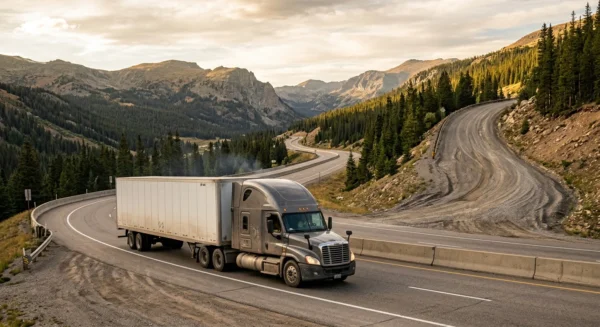
The truck driver shortage is a growing concern across America’s highways — from I-80’s long plains to Colorado’s steep I-70 mountain grades. This issue goes far beyond industry chatter; it’s a tangible challenge felt daily by fleet managers, owner-operators, and new drivers trying to find their footing. As freight demand surges across reefer, dry van, tanker, and flatbed segments, the shortfall of qualified drivers is reshaping everything from dispatch and rates to equipment maintenance. To truly understand the truck driver shortage, we need to break down its root causes, its real-world impact, and the most effective strategies being used to attract and retain drivers.
The Root Causes of the Truck Driver Shortage
Ask any veteran parked at a TA in Knoxville or fueling up at a Love’s outside Little Rock, and they’ll agree — the truck driver shortage runs deeper than a lack of applications. At its core, several complex factors are driving this trend: aging workforce demographics, lifestyle demands, regulatory constraints, and shifting career values among younger workers.
Today’s average driver is between 47 and 49 years old, with many approaching retirement. Meanwhile, younger generations, especially Millennials and Gen Z, are less interested in long-haul jobs that pull them away from home for weeks at a time. Sleeper berth living, microwave meals, and cross-country solitude simply don’t have the same appeal.
Contributing to the gap is a federal rule requiring drivers to be 21 before driving interstate — leaving a three-year window after high school where potential drivers often pursue other careers. Add to this a backlog in CDL licensing, expensive training costs, and strict HOS (Hours of Service) rules enforced by ELDs (Electronic Logging Devices), and it becomes clear why recruiting and retaining new talent is so challenging.
The pandemic exacerbated the issue. In 2020, many CDL schools shut down, stalling the influx of new drivers. Experienced drivers retired early amidst the uncertainty, tightening capacity as e-commerce demand soared. The result? Freight moves slowly while fleets scramble to staff their trucks.
Impact on Drivers Already on the Road
For current drivers logging miles between the Port of LA and Memphis warehouses, the truck driver shortage is a double-edged sword. On one hand, rising spot rates and demand give carriers and owner-operators more leverage in negotiations. High-volume lanes — like Atlanta to Chicago or Dallas to Houston — often fetch premium payouts, especially for reefer or HAZMAT loads.
On the other hand, fewer drivers mean heavier workloads. Solo over-the-road drivers regularly pull 3,200+ miles a week. Dispatchers eager to book paying freight may push tighter windows and sacrifice driver home time, increasing burnout risk. Managing HOS compliance while navigating traffic or weather delays — especially on I-90 in the Dakotas or steep inclines through northern California — adds even more stress.
Fewer available drivers also mean fleets are holding onto older trucks longer, increasing maintenance issues. Breakdowns have become more common, particularly with emissions systems like DPFs (Diesel Particulate Filters). Long waits at overbooked repair shops and parts shortages only worsen the situation. These days, roadside repair knowledge is more than handy — it’s essential.
Effective Strategies to Attract and Retain Drivers
Carriers from coast to coast are adapting to the truck driver shortage with modern solutions. Whether in Appalachia or Dallas, the focus is shifting toward making driving careers more appealing, sustainable, and driver-centric with a combination of pay, routes, and perks.
- Better Compensation: Sign-on bonuses over $10,000 — especially in hazmat lanes — have become standard. Company drivers are seeing $0.60–$0.75 per mile in many regions, while owner-operators are earning $2.50–$3.20 per mile with the right equipment and routing.
- Regional Routes and Home Time: Fleets now offer regional lanes like Chicago to Indianapolis or Atlanta to Charlotte. These shorter routes allow regular home time without sacrificing earnings, making them attractive to family-oriented drivers.
- Modern Equipment: Late-model trucks like the Freightliner Cascadia and Kenworth T680 with AMTs, APUs, larger beds, and inverters are key selling points. Recruits often refuse older rigs lacking creature comforts like fridges and onboard Wi-Fi.
- Paid CDL Training: Carriers like Schneider and Roehl are expanding in-house CDL training, offering paid programs and guaranteed job placement from CDL permit to full-time driver.
- Driver-Centric Amenities: Upgraded showers, fitness centers, and app-reserved parking at stops like Iowa 80 and Jubitz are now common. Fleets that reimburse for these comforts win favor with experienced drivers.
Other key retention tactics include pet policies, rider options for family members, and access to mental health care and counseling. What matters most? Treating drivers with respect and valuing their time.
Smart Tips for Drivers Navigating Today’s Market
In this high-opportunity environment, drivers who operate with strategy can thrive. Whether leased to Landstar, independently running under authority, or working for Prime, a few proactive decisions can greatly boost productivity and profits.
- Focus on Strong Freight Markets: Stick to hot zones like Harrisburg, PA; Ontario, CA; and Dallas-Fort Worth. These cities offer consistent outbound and backhaul freight. Avoid low-volume states like Montana and parts of New England unless you have a high-paying contract lined up.
- Stay Ahead on Maintenance: Emissions components like DEF sensors and DPF filters are prone to failure and delay. Perform regular PMs, stock spare belts and fuel filters, and monitor ABS modules closely to reduce downtime.
- Use Load Board Intelligence: Tools like DAT One, Truckstop.com, and Convoy help match you with optimal-paying loads. Use rate trends and fuel-efficient routing to reduce deadhead miles and maximize revenue per trip.
- Optimize HOS Compliance: Apps like KeepTruckin’ or Garmin help drivers track available hours and plan stops. Secure parking early along busy routes like I-95 or I-75 — aiming to park before 5:30 p.m. improves rest and reduces stress.
Tap into company fuel programs or major truck stop rewards cards for significant discounts. Even 30 cents per gallon saved on 2,500 gallons monthly adds up fast.
Truck Driver Shortage: A Challenge or a Career Opportunity?
The truck driver shortage is not just a problem — it’s also a massive opportunity for career-minded drivers. Whether new to the road or ready to start your own authority, this high-demand season favors the prepared. Female drivers and military vets with logistics experience are entering the field and finding success thanks to discipline, training, and professionalism.
If you’re entering trucking now, invest in reliable, fuel-efficient equipment and prioritize safety in every aspect of your job. Whether you specialize in regional LTL, time-sensitive reefer, or heavy-haul flatbed freight, skilled and service-minded drivers are in demand — and demand drives rates.
In today’s nonstop logistics cycle, the truck driver shortage is both obstacle and gateway. With the right strategy and mindset, the open road can still offer strong financial rewards and career satisfaction. Stay sharp, drive safe, and keep the shiny side up.