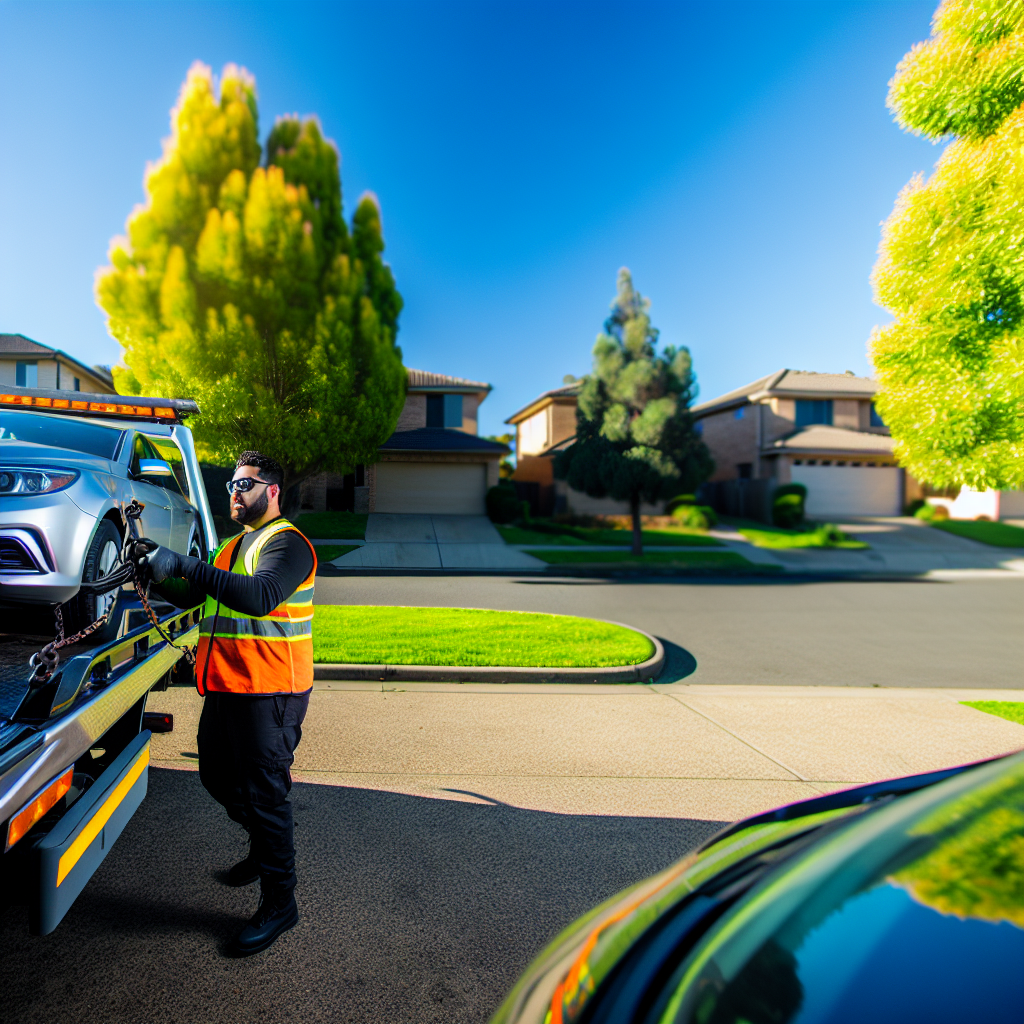
Tow truck driving with a standard license is a realistic entry point for those exploring a career in roadside assistance or vehicle recovery. Whether you’re moving from delivery driving or just starting in the towing industry, understanding legal requirements, state-specific rules, and vehicle classifications is essential. The key factors include the gross vehicle weight rating (GVWR), the type of tow truck, and whether your work involves trailer towing or heavy recoveries.
Understanding Licenses: CDL vs. Standard for Tow Truck Drivers
Under regulations set by the Federal Motor Carrier Safety Administration (FMCSA), any vehicle with a GVWR above 26,000 pounds typically requires a commercial driver’s license (CDL). However, tow truck driving with a standard license remains entirely possible — especially with light or medium-duty wreckers.
Here’s a breakdown of common license classes:
- Standard License (Class D): Permits operation of trucks under 26,000 pounds, including many flatbed and wheel-lift tow trucks.
- CDL Class B: Required for single vehicles over 26,000 pounds GVWR.
- CDL Class A: Needed for vehicle-trailer combinations exceeding the CDL weight threshold, especially if the trailer is over 10,000 pounds GVWR.
For light-duty towing or local recoveries, it’s legal in many states to begin tow truck driving with a standard license. But remember — states like California and New York enforce unique towing regulations. Always check with your local Department of Motor Vehicles (DMV) before hitting the road.
Matching Equipment to License Class
To stay within the limits of a standard license, weight management is critical. Popular light-duty recovery trucks like the Ford F-550, Ram 5500, or Chevrolet 3500 often operate under the 26,000-pound GVWR threshold. These platforms can be legally outfitted with integrated beds and lift systems suitable for many common towing tasks.
To ensure compliance:
- Confirm your truck’s GVWR is below 26,000 pounds.
- Check that the combined weight of the truck and any towed vehicle remains within Class D allowances.
- Review axle limits and trailer tow ratings, especially when using dollies or flatbed trailers.
Consulting reputable upfitters like Jerr-Dan or Miller Industries can help you select a compliant truck build. In dense city environments where space is tight, choosing a light vehicle setup improves both maneuverability and efficiency.
When You’ll Need a CDL for Tow Truck Driving
Although tow truck driving with a standard license is viable for many jobs, certain situations call for a CDL. Here are key scenarios where a commercial license becomes mandatory:
- Heavy-duty recoveries: Towing Class 6–8 trucks or buses typically exceeds 26,000 pounds GVWR and can’t be done without a CDL.
- Trailer towing: Hauling a trailer over 10,000 pounds, or combination weights exceeding the CDL threshold, requires a Class A CDL.
- Fleet and insurance contracts: Many motor clubs and insurance companies require CDL credentials for premium coverage or specific dispatch levels.
States like Texas and Florida maintain rigorous enforcement of weight and license rules. Operating out of compliance risks fines, downtime, and suspended contracts. Stay legal and avoid unnecessary headaches.
Essential Safety Tips for Non-CDL Tow Drivers
Tow truck driving with a standard license still demands a high degree of professionalism. Whether performing roadside recoveries or towing to local shops, your actions impact safety, speed, and customer trust. Focus on the following best practices:
- Daily inspections: Check J-hooks, winch lines, straps, and chain sets regularly. Road failures create liability hazards.
- Visibility gear: Maintain flares, reflective triangles, and high-visibility vests to avoid accidents — especially on highways like I-95 or I-70.
- Use dispatch tech: Tools like Towbook or Beacon Pro help streamline routing, digital invoicing, and job queues.
- Smart fueling: Stop at truck-friendly stations like TA or Love’s for maneuvering space and DEF supplies before long shifts.
Control loading angles when working with steep inclines or SUVs. Misjudging suspension clearance can cause undercarriage damage during loading. Keep an infrared temp gun on hand to monitor hub heat or spot brake drag — critical on longer routes.
Can You Make Money Driving Tow Trucks Without a CDL?
Tow truck driving with a standard license can be financially rewarding, particularly for light-duty operators. In metro areas such as Atlanta, Dallas, or Chicago, drivers completing 8–12 local recoveries daily may earn between $1,500 and $2,000 per week.
Owner-operators offering 24/7 local support or partnering with auto shops and municipal contracts can see even greater returns. As long as operations stay under CDL weight limits and run efficiently, a legal and profitable business is highly achievable.
However, if you’re eyeing larger rollback recoveries, motorhomes, or major highway contracts, a CDL unlocks better insurance rates and higher-paying opportunities. Many drivers get started with a standard license, then pursue a CDL to scale their service capacity over time.
Gaining Experience and Advancing in the Industry
Success in towing comes down to operational discipline and continuous learning. Throughout your early career in tow truck driving with a standard license, take advantage of specialized training like TRAA certifications or programs from WreckMaster. These boost your skills and your business credibility.
Also consider upgrading your communications stack. Digital dispatch, GPS tools, and integrated iPad systems make coordination smoother and reduce response times. A mobile-friendly setup is especially vital for urban towers or night-shift recoveries.
Optimize your truck for comfort and safety. Install LED lighting kits for highway pulls in low-light conditions, use aluminum beds to reduce weight, and add inverter systems to power electronics during long standby periods. Cold-weather operators should carry tire chains, stock proper antifreeze, and install heated mirrors to maintain visibility in snow zones.
Overall, tow truck driving with a standard license offers a smart, scalable entry into a high-demand industry. Know your weight classes, upgrade your gear wisely, and take pride in the service you provide. With focus and experience, you’ll be ready to level up into CDL territory when the time is right.