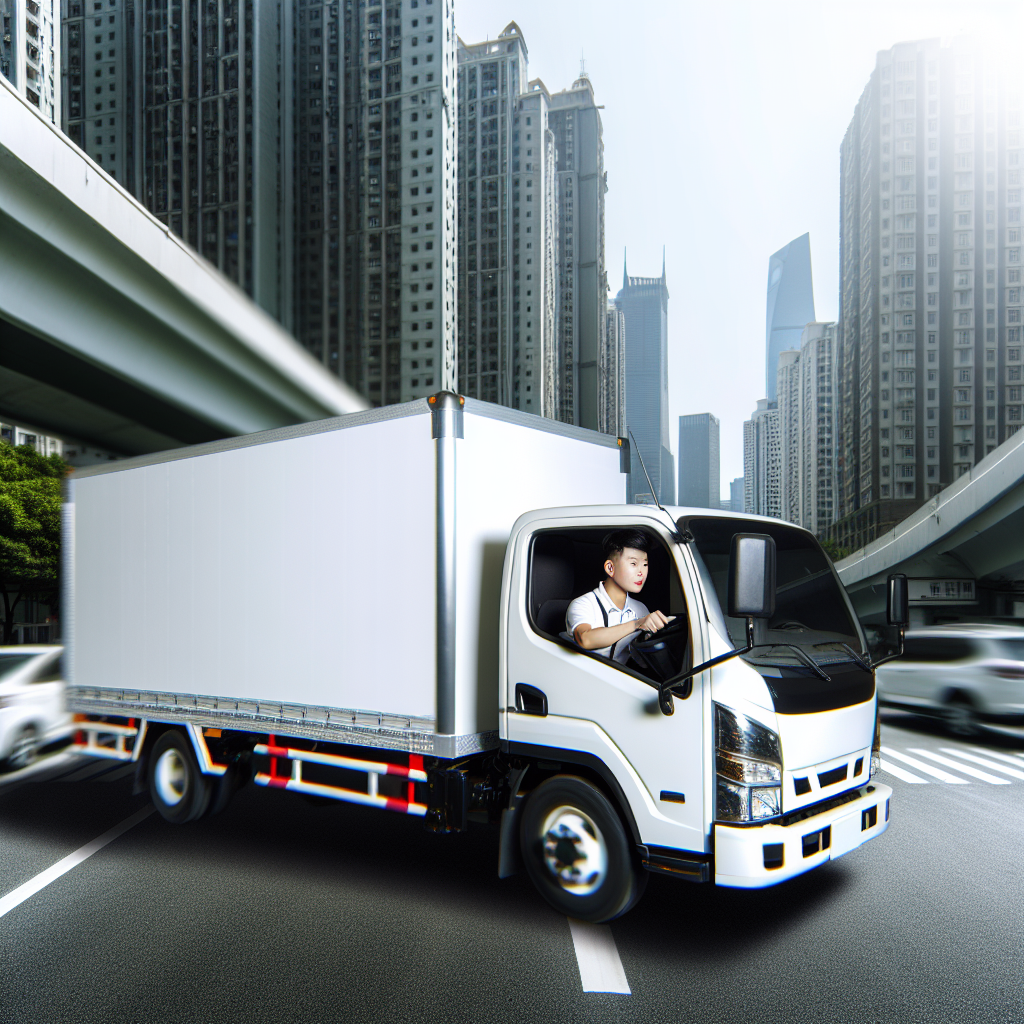
Box truck driving offers a dynamic and accessible entry point into the trucking industry, blending city navigation skills with logistical precision. For drivers looking to move beyond cargo vans but not quite ready for a CDL-required rig, mastering box trucks opens the door to high-demand final-mile routes, independent contracting, and low-overhead hauling. From maneuvering tight alleyways to managing delivery windows efficiently, this guide delivers practical strategies to thrive in the world of box truck driving.
Exploring the Role of Box Trucks in Logistics
Box truck driving plays a vital role in modern freight and last-mile distribution networks. Commonly operating in the Class 3 to 6 range (under 26,000 lbs GVWR), box trucks serve essential functions in urban and regional logistics. These vehicles handle everything from medical supply runs to home furniture deliveries, making them indispensable in markets like Atlanta, Dallas, or Los Angeles.
While a CDL isn’t required for most box trucks, the job demands technical skill and strategic awareness. Understanding how box trucks fit into the freight chain is key for negotiating with customers, building broker relationships, and structuring profitable schedules. Whether running for Amazon Relay or local 3PLs on the DAT Load Board, knowing your lane and freight profile puts you in control.
Smart Routing and Delivery Strategies
Efficiency matters in box truck driving, and route planning goes far beyond GPS directions. Use commercial-grade apps like Trucker Path, Garmin Dezl, or Sygic Truck GPS to navigate around restricted roads, low-clearance bridges, and congestion zones. However, no app replaces a driver’s street smarts—especially in dense metro areas where one wrong turn can mean a costly delay or violation.
Avoid common pitfalls by pre-scouting your route. For example, circumventing Lake Shore Drive in Chicago or planning around rush-hour on Atlanta’s I-285 can save hours. Leverage real-time alerts from Waze or Drivewyze to stay ahead of road closures and construction zones.
When delivering in city cores, plan for parking along legal routes or rest stops that accommodate medium-duty trucks. Overnight parking at Petro, Love’s, or TA—especially when carrying high-value freight—offers safer alternatives to residential curbs or permit-restricted zones. Keeping deliveries timely and secure directly boosts earnings and customer satisfaction.
Choosing the Right Box Truck and Onboard Gear
Your experience as a professional box truck driver depends largely on your vehicle’s specs. Brands like Hino, Isuzu, Freightliner, and Ford dominate this space, each offering options tailored to specific hauling needs. Diesel-powered units often offer better torque and fuel efficiency for heavy loads, while gas models provide lower upfront costs and lighter maintenance cycles.
Key features to prioritize:
- A 2,500-lb hydraulic liftgate for non-dock deliveries
- Reefer units (Thermo King or Carrier) for temperature-controlled cargo
- Under-deck storage for gear to keep the cabin organized
Outfit your cab with essential equipment:
- Hand truck and dolly for multi-stop efficiency
- 4–6 heavy-duty load straps (2-inch+ width)
- Headlamp and flashlight for dark docks or night checks
- Moving blankets and e-track for securing fragile goods
- Fire extinguisher, rain gear, spare gloves
Additionally, consider comfort-focused gear. A high-lumen flashlight speeds up pre-trip inspections, and a five-gallon bucket with liners can serve as an emergency toilet during long holds at secure sites without public facilities.
Maintaining Your Box Truck for Maximum Uptime
In box truck driving, your truck is your business. With freight often non-forgiving on missed windows or cancellations, any mechanical downtime eats directly into your profits. Build a strict preventive maintenance plan, whether you lease or own your vehicle.
Follow this maintenance checklist:
- Weekly inspection of brake pads, tire tread, batteries, and fluids
- Check liftgate function for hydraulic consistency
- Inspect undercarriage weekly—especially in salty or snowy climates
- Engine oil changes every 5,000–7,500 miles per OEM guidelines
- Track DEF system services for Isuzu NPRs or diesel units
Apps like Fleetio or Simply Fleet make it easy to log services, track inspection history, and receive mileage-based alerts. Documented service histories can also enhance resale value when you’re ready to upgrade your truck in 3–5 years.
Staying Compliant and Safe on the Road
Driving a box truck under 26,000 lbs may not require a CDL, but you’re still subject to DOT and FMCSA rules if hauling loads over 10,001 lbs or crossing state lines. Stay ahead of compliance to avoid fines, downtime, and failed inspections.
Carry these at all times:
- Vehicle registration, insurance, medical card (if required)
- Annual DOT inspection certificate
- Reflective triangles, spare fuses, and fire extinguisher
- Paper logs or ELD compliance documentation per HOS rules
Understand your truck’s empty and loaded weights. A 26-foot box loaded with pallets can easily trigger DOT oversight, and ignorance isn’t an excuse during weigh station checks. Know your HOS exemptions, whether you’re intrastate, operating under short-haul rules, or running with a private carrier.
Secure your load properly using rated straps, load bars, or e-track. Don’t rely on gravity or the sides of the truck. Improperly loaded pallets can shift, damage goods, or cause rollover risks. In wet or high-traffic urban areas, increase your following distance and reduce speed accordingly.
Maximizing Profits as a Box Truck Driver
Earning potential in box truck driving hinges on smart planning, consistent freight, and disciplined expense tracking. Owner-operators can gross $150,000+ annually with solid networks and efficient operations, though net profit depends on fuel, repairs, insurance, and downtime mitigation.
Use load boards like DAT, TruckStop, and regional marketplaces to fill lanes. Prioritize loads from industries with recurring demand, such as medical courier work, appliance distribution, or retail restocking. Build direct relationships with brokers and businesses to reduce reliance on boards and increase rate negotiation power.
Opportunities to boost earnings include:
- Q4 surges in ecommerce, retail, and home delivery routes
- Temp-controlled routes in off-seasons (Q1 produce or pharma)
- Weekend or after-hours deliveries with premium pay
If leased on with companies like FedEx Ground or Amazon DSPs, track your maintenance closely. High daily mileage (200–300 miles) requires balancing pay-per-stop with expenses like brake jobs and tire replacements. Always calculate your true cost per mile, not just gross income.
Level Up Your Box Truck Driving Career
Box truck driving demands more than just a key in the ignition. From urban routing and equipment choices to compliance and profit margins, it’s a multifaceted profession with real earning potential. The best drivers succeed by blending hustle with strategy—delivering consistently under pressure, maintaining their rig like a pro, and adapting to changes in freight demand.
Whether you’re new to final-mile logistics or planning to grow your box truck fleet, keep sharpening your tools, networking with freight buyers, and staying DOT-compliant. Because in this lane, the smarter you drive, the farther you’ll go.