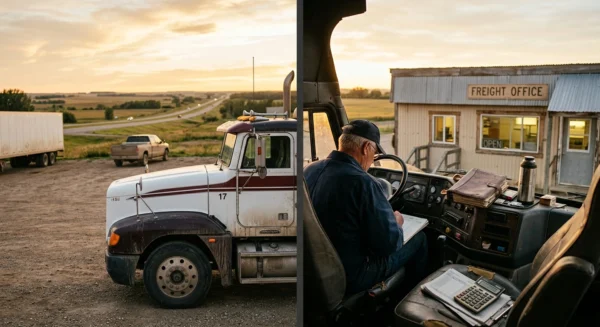
The path to becoming a fleet owner starts with reliable numbers, steady freight, and clear operating standards. Buying trucks comes later. First, determine how each vehicle will earn enough to cover fixed costs, repairs, labor, and taxes.
A fleet can include two trucks or several hundred vehicles. Regardless of size, owners must manage equipment, drivers, customers, compliance, and cash flow. Strong systems matter more than rapid growth.
A practical plan for becoming a fleet owner
Start by defining the type of fleet you plan to operate. Common models include local delivery, regional hauling, long-haul trucking, construction transport, and specialized freight. Each model has different equipment, staffing, insurance, and regulatory needs.
Next, identify customers before adding vehicles. Direct contracts can provide predictable work, while brokers and load boards help fill schedule gaps. Avoid relying on a single customer for most of your revenue.
Write a fleet business plan
Your business plan should explain what you will haul, where you will operate, and how you will find customers. It should also include realistic revenue and expense projections. Use conservative estimates instead of best-case rates.
Calculate costs by truck and by mile. Include loan or lease payments, insurance, fuel, maintenance, permits, tires, wages, payroll taxes, tolls, and dispatch services. Do not leave owner compensation out of the calculation.
Build several forecasts based on different freight volumes and fuel prices. These forecasts show how the business may perform during slow periods. They also help you set a minimum profitable rate.
Choose a legal and financial structure
Select a business structure with guidance from an accountant or attorney. Many operators use a limited liability company or corporation, depending on their tax and ownership needs. Keep business and personal finances separate.
Open a business bank account and use dedicated accounting software. Track income and expenses for each vehicle. Fleet-wide totals can hide an underperforming truck.
Access to working capital matters because customers may take weeks to pay invoices. Meanwhile, fuel, wages, repairs, and insurance remain due. Maintain a cash reserve that can cover routine bills and an unexpected repair.
Meet licensing and compliance requirements
Commercial fleet requirements depend on vehicle weight, cargo, routes, and operating area. In the United States, interstate carriers may need USDOT registration and operating authority from the Federal Motor Carrier Safety Administration. State and local rules may also apply.
Some fleets must register under the International Registration Plan and file fuel taxes through the International Fuel Tax Agreement. Heavy vehicles may trigger additional tax filings. Hazmat operations require separate registrations, training, and endorsements.
Confirm every requirement with the appropriate agency before operating. A transportation attorney or experienced compliance consultant can help review your setup. Keep renewal dates in a shared compliance calendar.
Create a safety program
Document your rules for vehicle inspections, maintenance, hours of service, cargo securement, and incident reporting. Train every driver on those rules. Then verify performance through records and regular reviews.
Electronic logging devices may apply to drivers who track hours of service. Fleets should also maintain driver qualification files when regulations require them. Missing records can lead to penalties or interrupted operations.
Safety records affect insurance costs and customer confidence. Review roadside inspections, preventable accidents, and maintenance defects by driver and vehicle. Address repeated issues with training or corrective action.
Select trucks based on the work
Match each vehicle to its route, payload, loading conditions, and expected annual mileage. A lower purchase price does not guarantee a lower operating cost. Fuel use, downtime, parts availability, and resale value all affect the result.
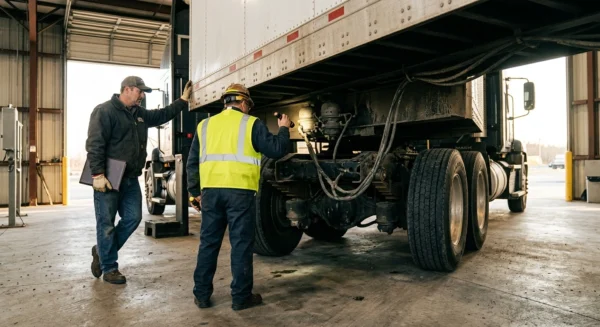
Inspect used equipment before purchase. Ask a qualified mechanic to check the engine, transmission, brakes, tires, emissions system, and maintenance history. Review fault codes and oil analysis when those records exist.
Standardizing equipment can simplify parts inventory and mechanic training. However, one truck specification may not suit every contract. Choose consistency where it supports the work.
Decide whether to buy or lease
Buying can build equity and provide more control over mileage and modifications. It also exposes the business to repair costs and resale risk. Financing terms can place pressure on cash flow during weak months.
Leasing may provide newer equipment and predictable replacement schedules. Contracts can include mileage limits, maintenance terms, and early termination charges. Read every condition before signing.
Compare the total cost over the period you expect to keep the vehicle. Include deposits, interest, taxes, maintenance, downtime, and disposal costs. The lowest monthly payment may carry the highest long-term expense.
Hire and retain dependable drivers
Drivers represent the company at customer sites and on the road. Screen applicants for the correct license, endorsements, experience, safety history, and job fit. Follow all applicable rules for background checks and drug testing.
Set clear expectations during onboarding. Cover routes, communication, inspections, fuel procedures, paperwork, customer conduct, and accident response. Give drivers written instructions they can access on the road.
Competitive pay helps, but retention also depends on predictable schedules and well-maintained trucks. Drivers notice delayed repairs and inconsistent dispatch decisions. Regular communication can identify problems before someone resigns.
Choose the right compensation model
Fleets commonly pay by the hour, mile, load, route, or percentage of revenue. The right model depends on the work and applicable wage laws. Compensation should reward safe, efficient performance without encouraging risky behavior.
Explain how the company calculates pay, bonuses, deductions, and reimbursements. Drivers should understand their statements without needing to reconstruct each trip. Accurate payroll builds trust.
Control fuel, maintenance, and downtime
Fuel often ranks among a fleet’s largest variable expenses. Use fuel cards with purchase controls and collect mileage data for every truck. Review unusual purchases, excessive idling, and changes in fuel economy.
Preventive maintenance should follow mileage, engine hours, time intervals, and operating conditions. Schedule service before small defects turn into road failures. Keep complete records for inspections, warranty claims, and resale.
Downtime deserves its own measurement. A truck that spends days in the shop cannot serve customers or produce revenue. Track repair frequency, time out of service, and cost by vehicle.
Use fleet software with a clear purpose
Fleet software can organize dispatch, maintenance, fuel, documents, and driver communication. Telematics can also report location, mileage, idling, and diagnostic alerts. Select tools that solve specific operating problems.
A small fleet does not need every available feature. Complicated systems often create duplicate work when employees do not use them consistently. Start with essential functions and expand as the operation grows.
Price freight for profit
Set rates using your actual costs rather than a competitor’s quote. Calculate a break-even rate for each vehicle and lane. Then add the margin needed to fund growth and absorb risk.
Account for empty miles, detention, loading time, tolls, seasonal demand, and special handling. These details can turn an apparently profitable load into a loss. Put accessorial charges and payment terms in writing.
Review customer performance as closely as truck performance. Track payment speed, detention, claims, communication, and volume consistency. Revenue alone does not show the value of an account.
Grow the fleet at a controlled pace
Before becoming a fleet owner with several vehicles, prove that one unit can operate profitably. Document dispatch, billing, maintenance, and safety procedures. New employees need repeatable processes, not verbal instructions.
Add a truck only when demand supports it and cash flow can absorb the risk. Confirm that the business has enough drivers, parking, maintenance capacity, and administrative support. Growth can expose weak systems quickly.
Measure revenue per truck, cost per mile, utilization, downtime, and operating margin. Review those figures at least monthly. Sell or reassign equipment that consistently fails to meet its target.
Build a fleet that can withstand slow periods
Becoming a fleet owner means managing risk every day, not simply owning multiple vehicles. Profitable fleets control costs, maintain equipment, support drivers, and choose customers carefully.
Keep enough cash to handle repairs and payment delays. Review operating data regularly and make changes before losses become routine. Steady execution creates a stronger business than fast expansion.