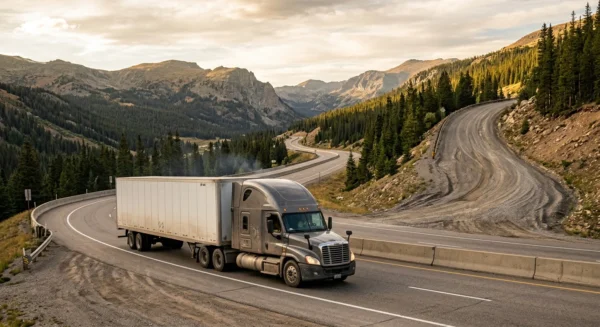
Maximizing drive time is the most important strategy for professional truckers to increase productivity and earnings. In an industry where every minute counts, managing your hours on the road is more than following Hours of Service (HOS) rules—it’s about making smart decisions to stay compliant, efficient, and profitable. Whether you’re navigating I-40 out of Albuquerque, crossing Indiana on a dry van run, or just starting your career, mastering time management is key to maximizing drive time day in and day out.
Understanding HOS Regulations and Flexibility
Maximizing drive time starts with understanding the Federal Motor Carrier Safety Administration’s (FMCSA) HOS regulations. These include the 14-hour on-duty limit, 11-hour driving cap, mandatory 30-minute break after 8 hours behind the wheel, and a 10-hour rest period before a new shift. Knowing how to legally manage this time makes the difference between a productive haul and a missed delivery window.
The split sleeper berth rule allows you to split the required 10-hour break into two qualifying periods, such as 7/3 or 8/2, pausing your 14-hour clock. This tactic is especially useful during congested routes like I-5 in California or I-81 through the Northeast corridor. Using it to your advantage helps avoid delays and maximizes drive time during busy freight schedules.
Another critical rule to leverage is the 34-hour reset. Strategic resets can refresh your 70-hour weekly limit, giving you more flexibility on long-haul routes. Many truckers plan resets at amenity-rich truck stops like the Petro in Joplin, MO or the TA in Coburg, OR. Efficient resets help you rest, refuel, and recoup energy while putting you in a better position to maximize drive time once the wheels are rolling again.
Trip Planning: The Blueprint for Maximizing Drive Time
Advanced trip planning is the foundation of maximizing drive time. Before ignition, you should know your route, fuel stops, break areas, and parking locations. Planning not only prevents delays but also helps avoid violations and reduces stress on the road.
Veteran drivers use tools like Trucker Path, Google Maps (with satellite view), and GPS units such as Garmin Dezl or Rand McNally tailored for commercial driving. These tools help pre-select stops with easy access, reliable food options, and clean restrooms—essentials when miles and minutes matter.
For instance, on a route from Jacksonville, FL to Dallas, TX via I-10 and I-20, a strategic 30-minute break at the Love’s in Baton Rouge (exit 158) followed by an overnight pause at the Flying J in Shreveport (exit 8) ensures maximum continuous drive time. Avoiding peak traffic around Houston or San Antonio by adjusting departure times offers smoother driving and fewer wasted minutes.
Choosing the right route is a critical element. Bypassing problematic areas like Glenwood Canyon on I-70 or construction-heavy parts of I-95 may add mileage but can reduce idle time and maintain momentum—key advantages when your focus is on maximizing drive time for optimal output.
Fueling Smarter to Save Minutes and Miles
Well-timed, efficient fuel stops are vital to maximizing drive time. Long waits or inconvenient pump access can chew up valuable minutes fast. Planning primary and backup fuel stops aligned with your route ensures you don’t burn hours on pit stops.
Avoid fueling during high-traffic times (typically 9–11 a.m. and 4–6 p.m.). Selecting stops with quick access off and onto the interstate saves time, while opting for less crowded operators like Sapp Bros or Road Ranger over major chains can minimize delays.
Owner-operators can further maximize impact by monitoring idle time via ELD or telematics. Reducing idle by just 30 minutes daily can lead to annual fuel savings exceeding $600 while also extending the life of your truck. On long runs across Montana’s I-90 or between Omaha and Salina, conserving fuel and managing time reduces downtime and increases efficiency—both crucial for maximizing drive time over successive loads.
Break Management: Productive and Restful
Your mandatory 30-minute break is more than a compliance requirement—it’s an opportunity to recharge both body and mind. Truckers who use this time wisely come away refreshed, more alert, and prepared to maximize drive time during the remainder of their shift.
Take breaks at locations with added value. Chains like TA with sit-down dining or Love’s with Chester’s Chicken make downtime more comfortable. Some truck stops now feature walking paths, mini fitness rooms, or green spaces that turn brief stops into meaningful wellness moments.
A 20-minute nap, brisk walk, or even defensive driving review on your phone can also refocus energy. Use this time to clean your windshield, inspect tires, or coordinate with dispatch. By stacking small productivity tasks around your break, you keep your schedule tighter and more aligned with the ultimate goal—maximizing drive time while staying safe and healthy.
Outfitting Your Rig: Equipment Matters
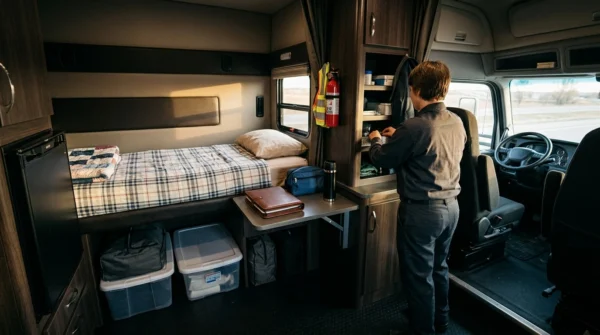
Your truck functions as your office, home, and method of earning—a mobile headquarters rolling across America. Maintaining your rig’s condition and cab organization goes a long way in maximizing drive time.
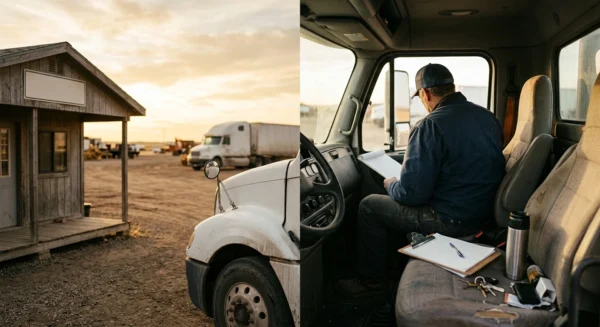
Perform thorough pre-trip inspections to eliminate surprises like leaking hoses or brake issues that can lead to unscheduled stops. Routine communication with your maintenance team ensures minor maintenance doesn’t turn into major downtime—especially when traveling remote roads like US-50 across Nevada or I-75 in rural Georgia.
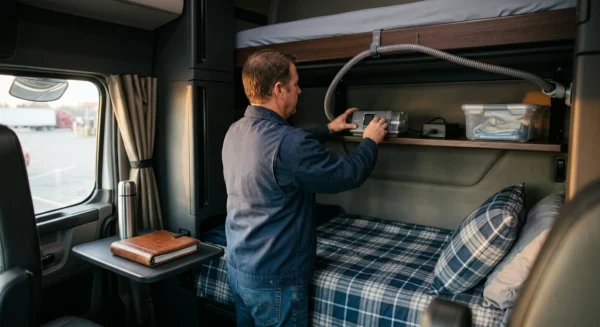
Inside, strategic cab organization improves workflow and comfort. Secure logbooks, snacks, headsets, and tools within easy reach using pouches and Velcro organizers. A supportive seat cushion, blackout curtains, quality mattress topper, and efficient temperature controls not only improve rest but also ensure better focus during drive time.
Leveraging Technology to Maximize Drive Time
Integrating modern tech into your driving strategy is essential for maximizing drive time. Telematics solutions give real-time feedback on fuel usage, braking, and engine idling. This data helps identify inefficiencies, adjust driving behavior, and boost profitability.
Apps such as Drivewyze allow weigh station bypasses, saving up to 30 minutes per stop. Trucker Tools and FourKites provide real-time tracking, ETA adjustments, and check-in functionality that eliminate radio dispatch time. When you’re rolling through weigh-heavy corridors like I-35 in Kansas or I-80 in Nebraska, those small time-savers matter.
Use smart-assist tech like voice-activated assistants to manage reminders, updates, or route adjustments without taking your hands off the wheel. Weather apps like MyRadar or RadarScope help navigate storms through tornado-prone Oklahoma or the snowy Rocky Mountain passes—helping you avoid delays and reroute in real-time to preserve your clock.
Final Word: Making Every Minute Count
Maximizing drive time is less about working harder and more about working smarter. Understanding HOS rules, optimizing trip planning, managing breaks and fuel efficiently, maintaining a well-organized cab, and harnessing technology—all work together to boost your output and minimize lost hours.
For truckers hauling coast-to-coast or making short-haul regional runs, every minute counts. When you maximize drive time through preparation and smart execution, you’re not just covering more miles—you’re increasing revenue, staying compliant, and driving your business forward with intention and power.