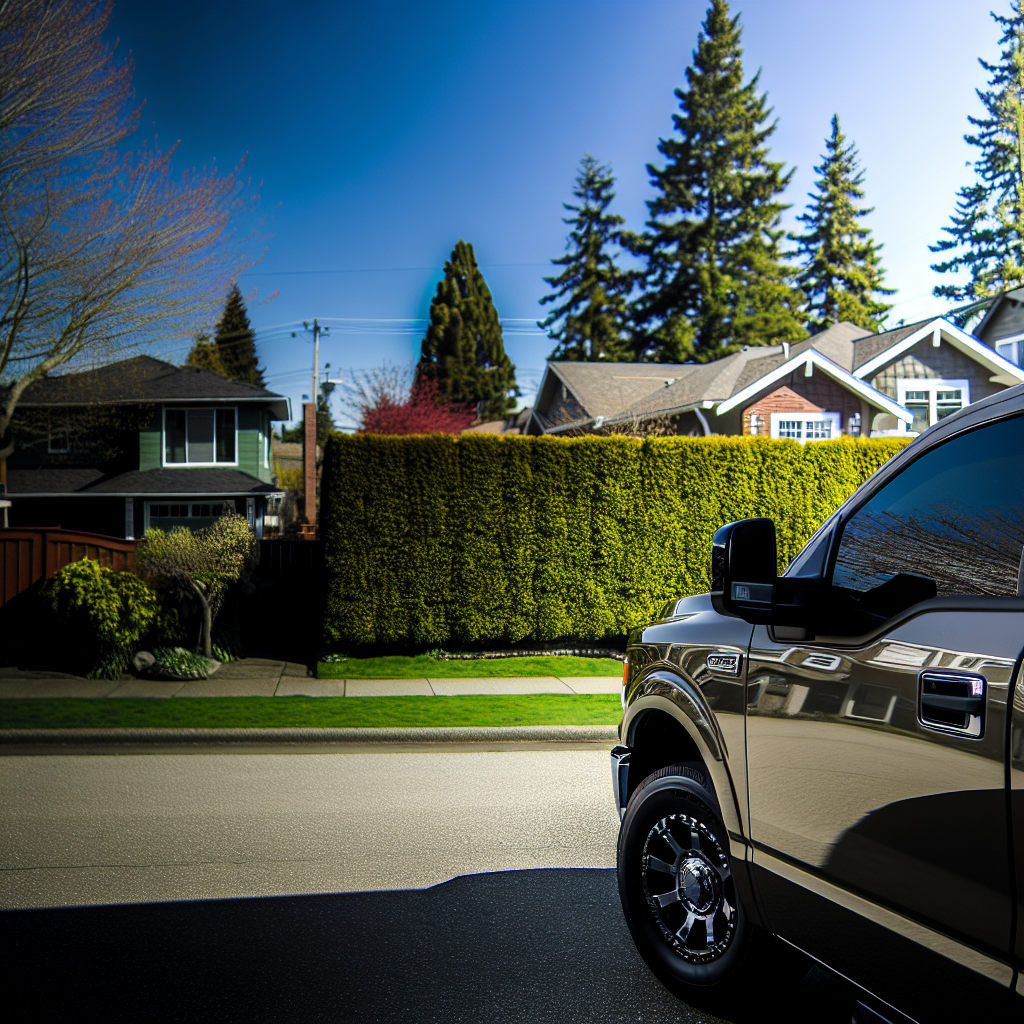
Diesel trucks for daily driving present unique advantages and challenges, especially for drivers transitioning from over-the-road hauls to city streets or short commutes. While diesel engines bring unmatched torque, towing capability, and durability, daily use raises key questions about cost, comfort, and practicality. So, is a diesel truck right for your off-duty commute or everyday work loop? Let’s explore what experienced drivers and diesel enthusiasts have learned from the road, shop, and real-world routines.
Understanding Diesel Trucks for Daily Driving in Real-World Conditions
Diesel engines deliver legendary torque and long-haul reliability. They dominate in Class 8 trucks, vocational rigs, and heavy-duty pickups for good reason: their efficiency under load, extended lifespan, and robust engineering are second to none. Yet using diesel trucks for daily driving—often involving city traffic, short trips, stop-and-go patterns, and tight parking—requires more than analyzing torque specs.
Daily driving rarely resembles clear highways like I-80 across Nebraska. It’s more likely to involve maneuvering a dually through Dallas traffic or navigating a Freightliner M2 in a crowded suburban parking lot. These real-world conditions impact diesel efficiency and mechanical performance.
For those needing consistent towing, bed utility, or high-mileage reliability, diesel trucks for daily driving offer compelling pros. But drawbacks—including high initial cost, DEF maintenance, fuel price fluctuations, and emissions-related issues—must be weighed carefully.
Advantages of Diesel Trucks for Daily Driving
Many professional drivers remain loyal to diesel for both vocational and personal use. Here’s why diesel trucks for daily driving continue to earn mileage-based endorsements:
- Superior Torque and Towing: Diesel engines provide exceptional low-end torque, making them ideal for frequent towing or hauling. Whether you’re pulling a 40′ gooseneck or a loaded utility trailer, power plants like the 6.7L Cummins or Power Stroke handle it with ease, even around town.
- Long-Term Durability: Diesel trucks are engineered for endurance. With regular maintenance, many exceed 300,000 miles—a major durability advantage for daily drivers looking to maximize fleet ROI or personal investment.
- Fuel Efficiency Under Load: Compared to gasoline engines, diesel models excel in fuel economy during loaded operation. For daily commutes over 50 miles with cargo, diesel savings add up quickly, especially when fueling at major truck stops like Pilot Flying J with fleet discount cards.
- Resale Value: Diesel trucks hold their value better than gas equivalents. A late-model Ram 2500 with 175K miles and a Cummins engine can still command top-tier pricing, helping offset the upfront investment.
- Engine Braking Benefits: On steep grades or stop-heavy routes, diesel exhaust brakes offer additional control and reduced wear on braking systems. This is particularly beneficial for drivers navigating elevated corridors like I-70 or Arizona’s switchbacks.
Potential Drawbacks of Diesel Trucks for Daily Driving
While diesel trucks provide strength and reliability, there are important trade-offs when using them for everyday tasks:
- Higher Purchase Cost: Diesel-powered trucks usually cost $8,000–$10,000 more than their gas versions. This upfront premium impacts both financing and insurance rates.
- Expensive Repairs: Diesel specialization means higher parts and labor. Turbocharger replacements, DPF servicing, or fuel injector jobs can cost thousands when performed out of warranty.
- Issues with Short Trips: Diesel systems need time to reach optimal operating temperature. Short daily trips can interrupt necessary DPF regeneration, leading to clogged systems and costly cleanouts.
- Managing DEF: Diesel exhaust fluid is required for emissions compliance. You’ll need to refill every few thousand miles—an added expense and occasional inconvenience outside major truck routes.
- Parking and Maneuverability: Full-size diesel trucks, especially crew cab dualies, struggle in urban environments. Tight parking structures, crowded streets, and narrow driveways become daily headaches, particularly in metro areas like Atlanta or Los Angeles.
- Cold Weather Starting Challenges: In freezing climates, cold starts can be problematic, even with anti-gel additives and heaters. Night parking without block heaters in areas like Minnesota or Alberta complicates winter routines considerably.
Fueling, Routing, and Daily Maintenance Tips
Smart fuel planning and disciplined maintenance make daily diesel driving smoother and more cost-effective. Always refuel at high-turnover stations like TA-Petro or Love’s, where diesel is fresher and pricing is competitive, particularly if you use fleet cards like EFS or Comdata.
Use GPS systems built for trucks, like Garmin Dezl or Trucker Path, to avoid low-clearance bridges, restricted routes, or tight residential streets. This is critical if you’re operating a flatbed or box truck on city loops.
On the maintenance side, diesel trucks demand more than basic oil changes. Stay on top of air filter replacements, turbo system inspections, and DEF quality checks. Brake systems require attention, as stop-heavy traffic increases wear much faster than highway hauls.
For urban or suburban daily use, consider synthetic oil options like Rotella T6 5W-40, which help protect the engine during frequent idling, cold starts, and slower speeds often encountered during daily routines near distribution hubs or port cities.
Driver Comfort, Cab Experience, and Usability
Today’s diesel trucks feature advanced cab comfort, mirroring Class 7 tractors in support and ergonomics. Super Duty pickups from Ford, Ram’s 3500 lineup, and vocational rigs like Freightliner Day Cabs now offer premium seating, insulation, and amenities including Apple CarPlay and heated seats.
However, NVH (noise-vibration-harshness) levels remain higher than in gasoline or hybrid trucks. Even with modern advancements, diesel clatter—especially from aftermarket exhaust systems—draws attention during early-morning starts or late-night parking in quiet areas.
Ride quality also varies. For example, unloaded dually trucks tend to ride rougher than their single-rear-wheel counterparts. Air-ride seat upgrades from brands like Bostrom or National Seating can drastically improve comfort during long commutes or for drivers with back concerns.
Visibility features like 360-degree cameras, adjustable towing mirrors, and reverse sensors are essential in tight urban spaces. Investing in these features improves usability and safety during the daily grind.
Should You Choose a Diesel Truck for Daily Driving?
For the right driver, diesel trucks for daily driving are a smart investment. Those who regularly tow, haul cargo, or drive long distances find value in diesel’s strength, efficiency, and longevity. For business owners or contractors who use their truck as a mobile office, a heavy-duty diesel can serve double duty effectively.
That said, urban commuters and drivers covering short distances without trailers should weigh fuel, maintenance, and parking challenges against performance perks. Gas or hybrid alternatives may better serve their needs, especially in cities with frequent stoplights and limited space.
Consider your driving patterns, cargo needs, and daily geography. If you’re launching from a jobsite by 6 a.m., managing pickups around industrial zones, and hauling gear all day, diesel delivers the torque and endurance you need. But if your lifestyle leans toward casual commuting, the total cost of diesel ownership may not align with your routine.
Ultimately, deciding whether diesel fits your daily driving comes down to matching your workload with what the truck delivers. From coast-to-coast veterans to city-based tradesmen, thousands make it work every day. When diesel’s strengths align with your daily tasks, it’s more than capable—it’s the right tool for the job.