Thinking about launching a career as a tow truck driver? You’re not alone. With roadways more congested than ever and mechanical breakdowns occurring daily, the demand for skilled and dependable tow truck operators is on the rise. Whether you’re an experienced trucker seeking a new direction or a newcomer to the industry looking for a stable, hands-on role, a career as a tow truck driver combines mechanical knowledge, customer service, and roadside problem-solving. However, like any trucking profession, success doesn’t come simply by jumping into the driver’s seat. It takes proper licensing, equipment expertise, a firm grasp of DOT regulations, and an unwavering commitment to safety and professionalism.
Understanding the Role of a Tow Truck Driver
A career as a tow truck driver involves wearing many hats: operator, mechanic, problem-solver, and sometimes even impromptu counselor. You’ll be the first responder at many scenes, handling everything from disabled semis on highways to repossessions and vehicle recoveries after accidents or breakdowns. In many rural areas, tow truck drivers arrive before any emergency services.
Tow trucks come in several types—flatbeds, wheel-lifts, hook and chain, and integrated systems—so operators must know how to handle each safely and efficiently. Urban responses require fast decision-making in traffic, whereas rural and mountainous zones demand rigging expertise in snow or steep conditions. Understanding how to adjust for regional hazards is essential.
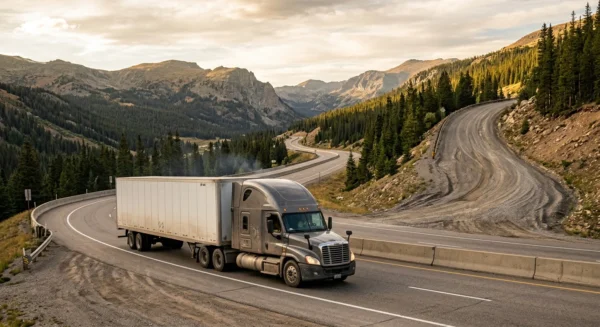
Professional drivers succeed by planning ahead—knowing route restrictions, clearance heights, weight limits, and weather patterns. Familiarity with roadside services such as Love’s, TA, or Pilot along corridors like I-70, I-95, or I-44 contributes to smoother operations. When roadside recoveries happen on blind corners or ice-slick highways, your preparation and skill become life-saving assets.
Licensing and Certifications for Tow Truck Drivers
Starting a career as a tow truck driver requires securing the proper commercial license. The type of Commercial Driver’s License (CDL) you need depends on the vehicle’s weight and your towing duties. For instance, light-duty units may only need a basic Class C license, but medium- and heavy-duty trucks typically require a Class A or B CDL.
Operators towing vehicles with a Gross Combination Weight Rating (GCWR) over 26,001 lbs. need a Class A CDL. You may also need endorsements like T (for multiple trailers) or N (for tankers), especially when hauling specialized or multi-vehicle loads. Always consult your state’s Department of Motor Vehicles or the Federal Motor Carrier Safety Administration (FMCSA) for guidelines.
Boost your qualifications with respected industry certifications:
- WreckMaster Certification – Offers hands-on tow and recovery training from basic recovery to rotator operations.
- TRAA Certification (Towing and Recovery Association of America) – Provides three levels of certification focused on standardizing safety and recovery techniques.
Holding these credentials increases your marketability and earning potential. Certified operators often secure higher-paying contracts and handle complex recoveries with less oversight.
Selecting the Right Tow Truck and Equipment
For long-term success in a career as a tow truck driver, investing in the right truck and gear is crucial—especially if you’re aiming to become an owner-operator. Light-duty vehicles such as the Ford F-550 or RAM 5500 work for typical passenger tows. For bigger jobs like bus or semi recovery, you’ll need medium- or heavy-duty rigs like the Freightliner M2 106 or Peterbilt 389 equipped with advanced rotator systems from Century or Jerr-Dan.
Must-have towing gear includes:
- High-tensile chains and synthetic straps rated for the load
- Snatch blocks for angled or uphill recoveries
- Dollies and tire skates for tight spots
- High-powered work lights and reflective signage
- Remote winch control systems for safe operation from a distance
Incorrect hookups can cause severe vehicle damage—and you may be liable. Learn the exact anchor points, lift ratings, and recovery angles for every vehicle type. Perform regular pre-trip inspections, focusing on winches, wheel-lift arms, hydraulic systems, and tire condition. Avoid unnecessary risks, especially when operating in high-traffic conditions on routes like I-75 or Highway 101 during peak hours.
Daily Life and Safety on the Job
A career as a tow truck driver often comes with long shifts and unpredictable hours. Many operators work 12-hour rotations, split across day and night. Rural assignments might involve driving 200 miles round-trip, while dense urban coverage may demand multiple recoveries per hour in stop-and-go traffic. Flexibility, patience, and attention to detail are essential.
If you’re independently contracted or work for a small outfit, efficiency matters. Track dispatch frequency, fuel mileage, and deadhead trips. Use navigation apps like TruckerPath, but always carry printed trail maps; electronics fail in dead zones, especially in remote areas like parts of North Dakota or Montana.
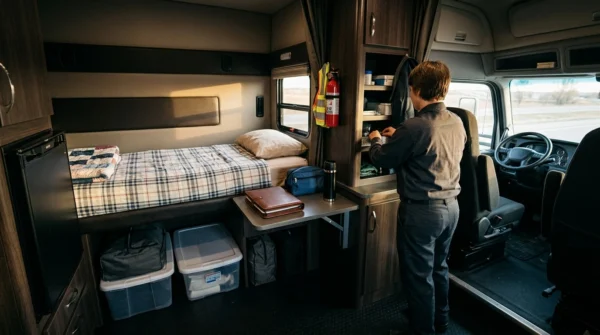
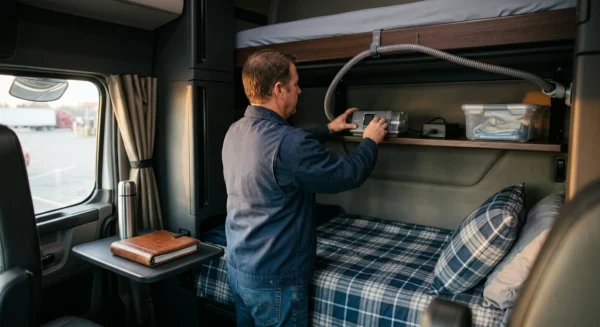
Comfort is a necessity, not a luxury. Equip your cab with climate-friendly tools like 12v heaters, personal fans, and power inverters. Clean rest stops with lounges or showers—like those found at TA Petro or Love’s—turn ultra-long days into manageable ones when your last meal was a prepackaged sandwich from a gas station.
Scene safety should never be an afterthought. Always use high-visibility gear, deploy reflective triangles or cones, and assess the scene before exiting your vehicle. Situational awareness can prevent injury from distracted drivers or rain-slick curves where other motorists lose control. Safety adds longevity to your career and preserves your reputation.
Maximizing Income as a Tow Truck Driver
A career as a tow truck driver can be lucrative with the right approach. Earnings vary depending on location, responsibilities, and certifications. Entry-level drivers in suburban areas may earn $35,000 to $45,000 annually, while certified heavy-duty operators in metro zones like Chicago or Los Angeles often make $75,000 to $100,000+, with bonuses for recovery operations involving semis or commercial fleets.
Want to increase your income? Take proactive steps such as:
- Advance your training—higher levels of WreckMaster or TRAA certification lead to more complex, better-paying jobs
- Specialize in niche markets like insurance towing, private impounds, or equipment hauling
- Position your business near high-incident freeway corridors like I-5, I-95, or I-676
- Leverage dispatching systems for route optimization and faster turnaround
- Network with body shops, dealership service managers, and police departments to land repeat clients
Dependability and fast, damage-free service build your reputation. Conversely, missed pickups, poor communication, or sloppy recoveries hurt your earning power quickly—especially in tightly connected local markets.
Building a Long-Term, Respected Career
Success in a career as a tow truck driver isn’t just about skill—it’s about professionalism, care, and resilience. You’ll face car accidents, harsh weather, stranded travelers, and midnight calls. But you’ll also make a real difference during some of people’s most stressful moments.
Veteran drivers agree: longevity comes from focusing on fundamentals. Know your DOT and roadside safety protocols, maintain clean and functional equipment, and treat each call with compassion. Take pride in arriving prepared, performing the job right, and ensuring both your client and cargo reach their destination safely.
For those who thrive on helping others, solving problems under pressure, and improving their mechanical skill every day, a career as a tow truck driver can be challenging, rewarding, and financially stable—with endless room for growth along the open road.